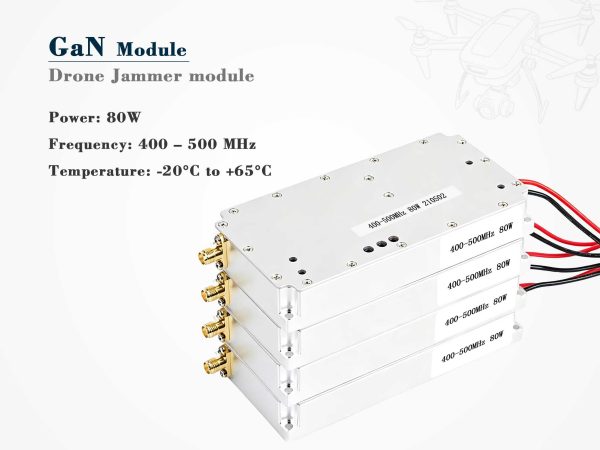
80W Anti-Drone Jamming Module – 700-1020MHz Sweep
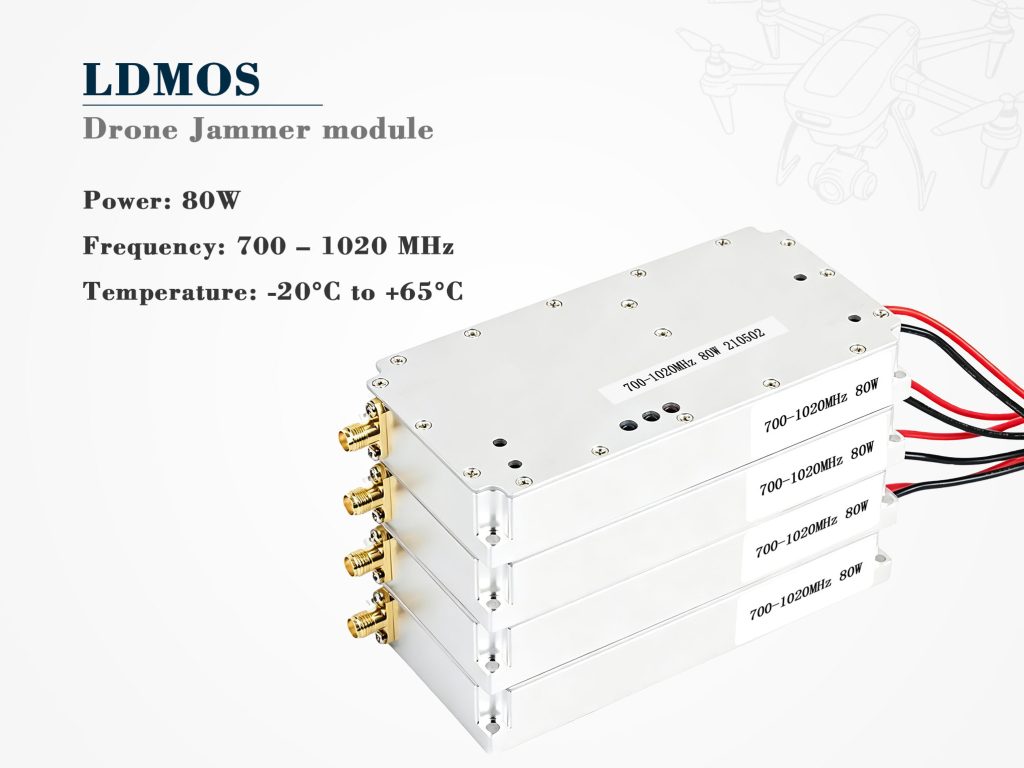
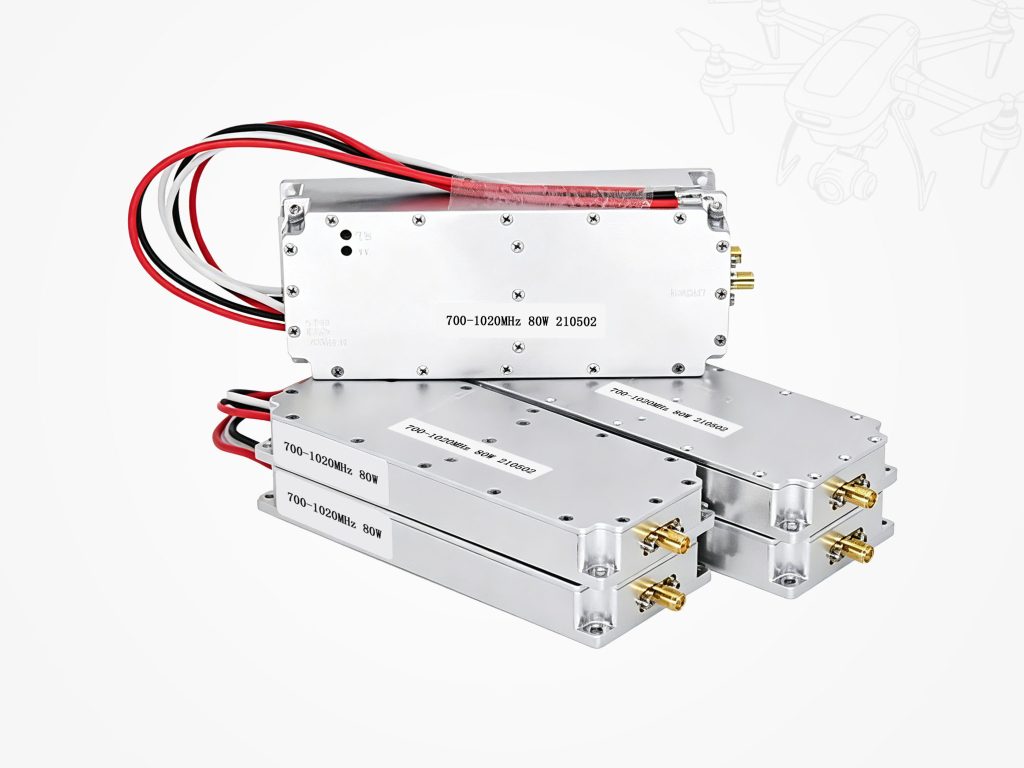
80W LDMOS jamming module covers 700-1020MHz, built-in sweep, 24-29V DC, 10A, SMA out, absorbing VSWR protection, -20~+65°C, 168.5×84.5×23mm, 0.57kg.
Technical Specifications
| Parameter | Specification | Notes |
| Frequency range | 700–1020MHz | Fixed band, no tuning |
| Output power | 80W typical | ±0.5dB flatness, measured at 28V, 25°C |
| Supply voltage | DC 24V–29V | 28V recommended, ripple <100mVpp |
| Current draw | ≤10.0A | @80W output, peak inrush <15A |
| Modulation source | Internal high-speed analog sweep | Factory preset rate, no external generator needed |
| Analog scan speed | ~160MHz/ms (typical) | Covers full band in ~2ms, optimised for FHSS |
| Input / output impedance | 50Ω | SMA female out, input is DC/control only |
| Protection LEDs | Power‑on (green), VSWR fault (red) | Absorbing protection activates, reset by power cycle |
| Operating temperature | -20°C to +65°C | Case temperature, derate above 55°C for continuous |
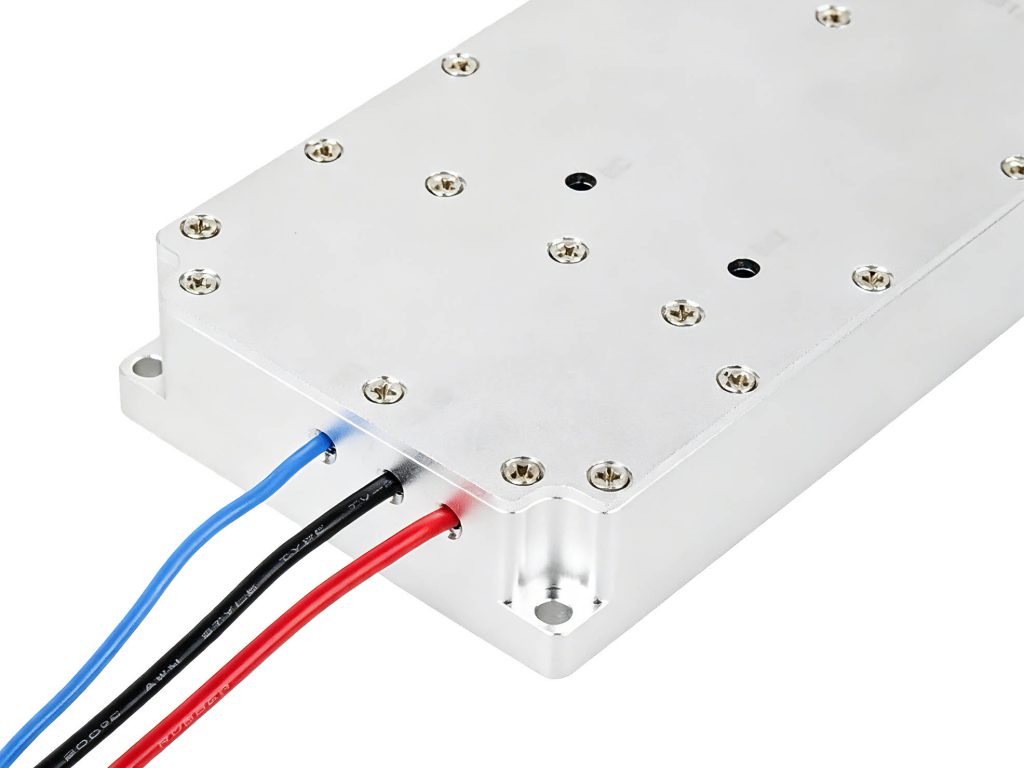
| Dimensions (L×W×H) | 168.5×84.5×23mm | Including protrusions, mounting holes on corners |
| Weight | 0.57kg | Aluminium base, without heatsink fan |
| Base material | Aluminium alloy (5052) | Nickel‑plated, RoHS compliant |
Product Details
Broadband Power for Low-Band Denial
The 700–1020MHz range is home to many drone control and telemetry links, especially in long-range and obstacle-penetrating scenarios. This 80W anti-drone jamming module puts serious LDMOS muscle into that band, delivering 80W of analog sweep power from a rugged, field-ready package. At 168.5×84.5×23mm and 0.57kg, it shares the same mechanical footprint as our higher-frequency siblings but targets the lower spectrum where signals travel farther. Whether you are protecting a large venue or a mobile convoy, this module gives you the reach and punch you need.
LDMOS Efficiency Meets Practical Current Draw
Built with LDMOS technology, the module achieves ≥35% efficiency – a solid figure for this power level and frequency range. It draws 10.0A maximum at 28V, which is manageable with standard 30A-rated power supplies. The output VSWR stays ≤2.0, and the built-in absorbing-type VSWR protection saves the device from reflected energy when antenna conditions shift. You get a reliable SMA female connector for RF output, and the enable logic remains straightforward: +5V or open turns it on, ground shuts it down.
Internal Sweep Source – No Extra Boxes
Forget external signal generators. This 80W anti-drone jamming module houses its own high-speed analog sweep oscillator, factory-tuned to cover 700–1020MHz continuously. The sweep rate is optimised to disrupt both fixed-frequency and frequency-hopping receivers commonly used in commercial and prosumer drones. Power up, connect an antenna, and the module starts sweeping – no programming, no configuration. This all-in-one approach reduces integration headaches and keeps your system simple and reliable.
Thermal Design and Mounting
Rated for -20°C to +65°C ambient, the module handles outdoor installations and enclosed racks. The aluminium baseplate acts as a primary heatsink; for continuous full-power operation, we recommend adding a fan or cold plate. The 23mm height leaves room for thermal pads, and the four corner mounting holes line up with standard brackets. At 0.57kg, it is heavy enough to feel solid but light enough for portable setups. Keep the case temperature below 75°C for long-term reliability – the LDMOS die is tolerant, but smart thermal management pays off.
Built-in VSWR Absorber – A Real Safety Net
Unlike many modules that simply reflect or limit power, this unit includes an absorbing-type protection device. When the antenna VSWR exceeds 2.0, the protection circuit dissipates the reflected energy internally, preventing voltage spikes that could destroy the output stage. A red LED alerts you to a fault condition, and you can reset by power-cycling. This feature is especially valuable in field deployments where antennas get knocked, cables loosen, or loads change unexpectedly. It saves repair costs and downtime.
Where This 80W Module Shines
-
Fixed-site perimeter security for airports and stadiums
-
Vehicle-mounted counter-UAS systems
-
Rural and open-area drone denial where low-band propagation matters
-
Test labs for receiver desensitisation and EMI susceptibility
The 700–1020MHz band also covers some public safety and cellular bands, so this module can double as a test signal source for interference studies. Its 80W output provides ample margin for most operational ranges without requiring massive power supplies or cooling systems.
Quick Integration Checklist
-
Supply: 28V DC, 12A minimum (10A typical, allow headroom)
-
Load: 50‑ohm antenna or dummy load – never power without it
-
Control: enable pin toggled by a switch or GPIO
-
Cooling: fan recommended for duty cycles above 30% at 25°C
-
Mounting: use thermal paste between baseplate and heatsink
The 80W anti-drone jamming module comes with a factory sweep preset – you cannot change the start/stop frequencies or sweep speed externally, but that also means you avoid accidental misconfiguration. For engineers who value predictability, this is a feature, not a limitation.
Field Performance and Reliability
Units have been tested in continuous sweeps for hours with proper cooling. Output power flatness stays within ±0.5dB across the band, and the sweep covers the full range in under 2 milliseconds, making it effective against modern agile links. The LDMOS technology offers good ruggedness against load mismatches (thanks to the absorber), and the -20°C cold start works without hesitation. Operators appreciate the no-fuss design – just power, enable, and jam.
Final Thought
If you need a low-band, high-power jamming solution that balances cost, size, and protection, this 80W anti-drone jamming module deserves a close look. It takes the guesswork out of integration with its built-in sweep and absorbing VSWR guard, letting you focus on mission execution rather than RF headaches.
Frequently Asked Questions
Case Studies
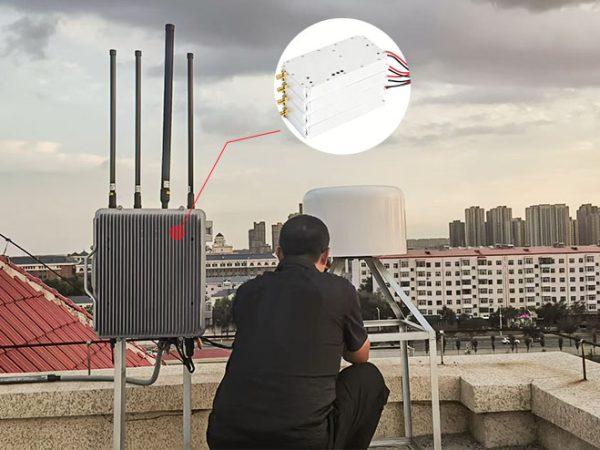
Heilongjiang Weather Center Completes Anti-Drone System Upgrade with Three High-Power Drone Jammer Modules

Tangshan Chem Plant Sealed Drone Gaps With 3 GaN Wideband Modules
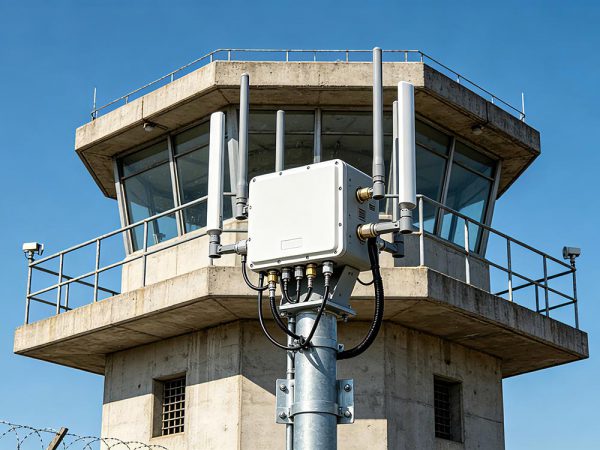
How a National Prison Integrated Our Drone Jamming Module Into Their Fixed Counter-Drone System
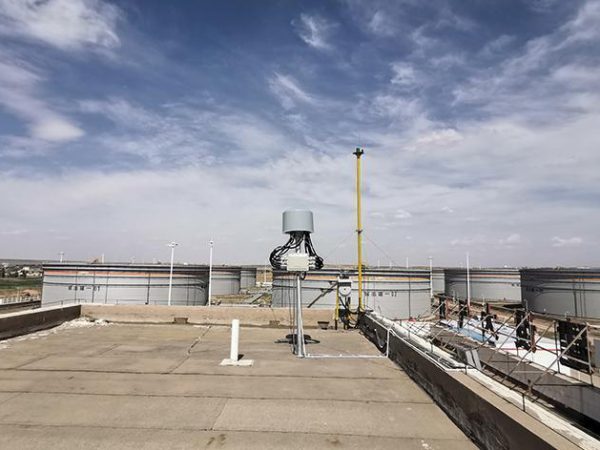
Integrating Core RF Power: OEM Drone Jamming Module for Oil Refinery Security | Case Study
Send Us a Message
Related Products
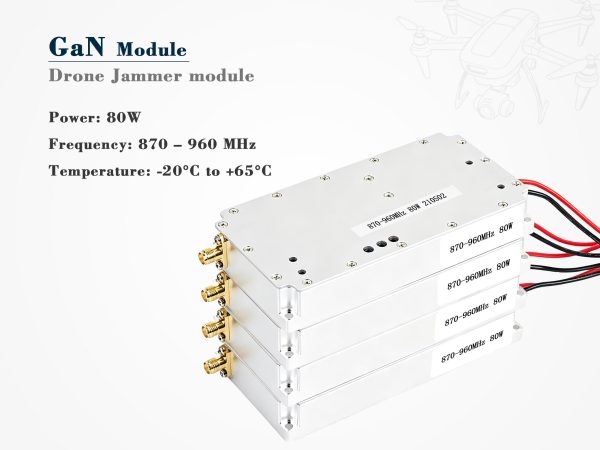
80W GaN Drone Jammer Module 870–960MHz | Analog Sweep
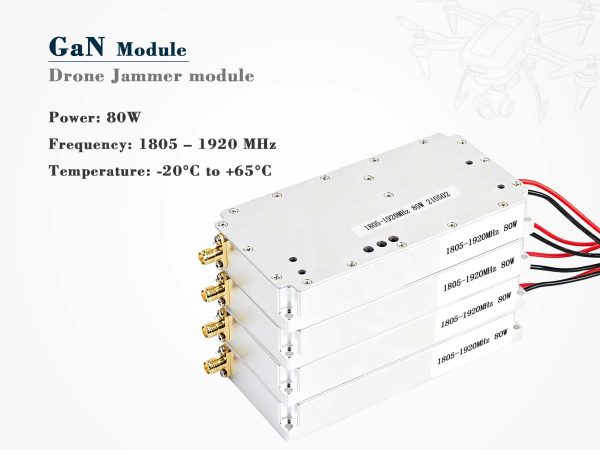
80W 1805–1920MHz GaN UAV Countermeasure Jammer Module
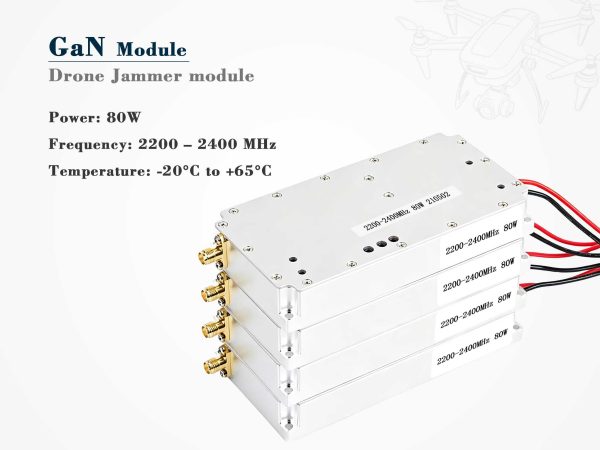
80W GaN Jammer Module: Powerful 2200–2400MHz Counter-UAS Solution