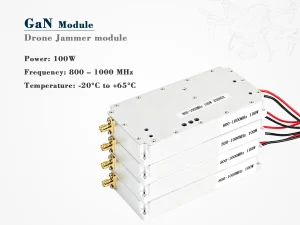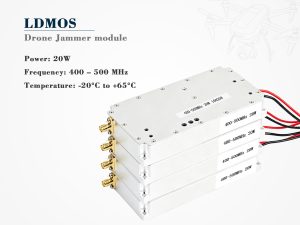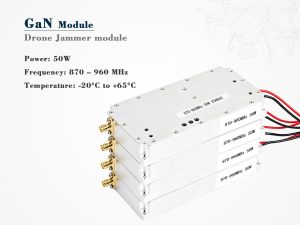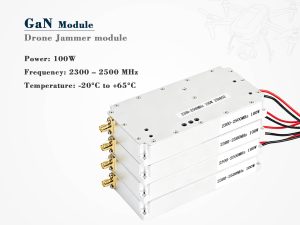
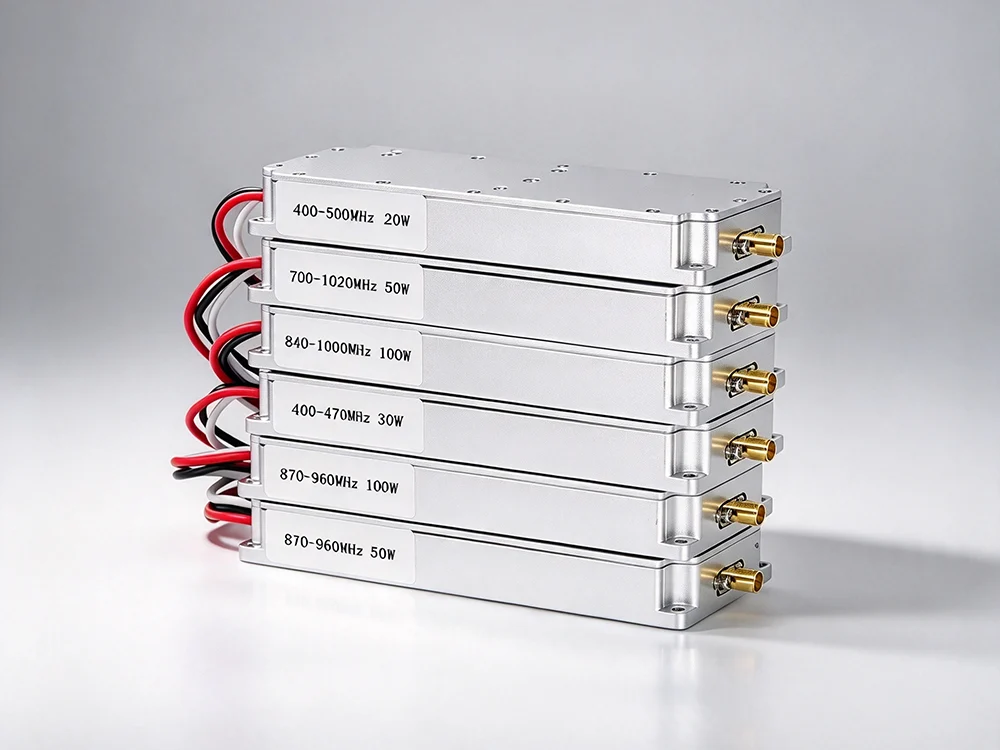
The LoRa FPV Jammer Module category is no longer just a niche hardware listing. It is becoming a test case for how counter-drone technology, spectrum law, and supply-chain compliance collide. Search interest remains steady, but the commercial window for unlicensed, high-power jammers is closing fast.
Unlike a typical product roundup, this industry update focuses on regulation, procurement, and the quiet shift toward compliance-first RF design.
A category shaped by confusion
LoRa and FPV are often bundled together in marketing, yet they serve different roles. LoRa is a low-power wide-area protocol used for telemetry and long-range control. FPV refers to first-person-view video, usually transmitted over analog or digital RF links. A so-called LoRa FPV Jammer Module may target one or both, depending on its design.
That ambiguity creates problems. In most countries, jamming is not a consumer feature. It is a regulated activity reserved for authorized government, military, or public-safety users. Even when a module is sold as an OEM component, end-use compliance still matters.
Market signals to watch
| Signal | Why it matters | Direction |
|---|---|---|
| Counter-UAS procurement | Defense and police need authorized RF mitigation | Rising |
| Spectrum enforcement | Regulators trace illegal interference and import channels | Tightening |
| SDR and GaN components | Smaller, more efficient RF modules reach the market | Maturing |
| Civilian FPV demand | Pilots want interference protection but cannot legally jam | Diverging |
| Compliance documentation | Buyers ask for test reports and traceability | Increasing |
Regulatory snapshot
Jamming rules vary, but the global trend is clear: unauthorized interference is treated seriously.
| Region | General position | Practical impact |
|---|---|---|
| United States | Jamming is generally prohibited except for federal authorized use | Consumer and commercial sales face enforcement risk |
| European Union | Interference is prohibited; equipment rules apply | CE/ETSI compliance and customs checks matter |
| United Kingdom | Ofcom prohibits jamming | Illegal operation can lead to penalties |
| Asia-Pacific | Mixed but tightening | Type approval is needed market by market |
| Latin America | Varies widely | Local legal counsel is essential |
Compliance-first design replaces raw power
For years, some vendors competed on output power. That approach is fading. Authorized LoRa FPV Jammer Module deployments are increasingly part of layered counter-UAS systems that begin with detection, classification, and controlled mitigation.
The emphasis is shifting toward:
-
Band-specific operation
-
Emission limits and shielding
-
Audit logs and accountability
-
Documented authorized end users
-
Integration with RF detection systems
In short, the technology is becoming more precise. The legal environment is becoming less forgiving.
Buyer checklist
| Checkpoint | What to verify |
|---|---|
| Authorized end user | Government, military, or licensed operator |
| Frequency control | No interference with safety or public networks |
| Documentation | Test reports, approvals, and traceability |
| Power management | Emissions remain within legal limits |
| Audit and logging | Supports accountability and investigations |
| Supply chain | Component origin and resale restrictions are clear |
Outlook
The LoRa FPV Jammer Module market is not disappearing. It is professionalizing. The next winners will be vendors that can prove authorized use, controlled emissions, and traceable supply chains—not those advertising the highest output power.