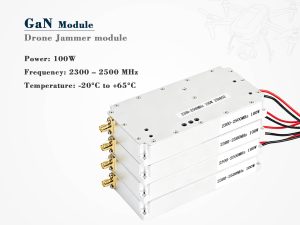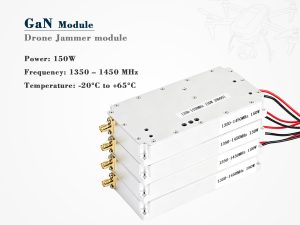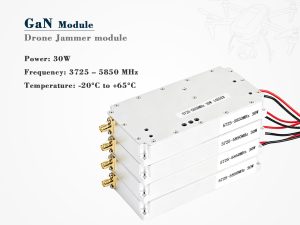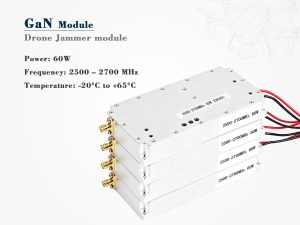
Drone jammer module specifications determine whether a counter-UAS system can disrupt a specific threat without excessive collateral interference. Without a clear spec sheet, teams often buy hardware that fails in the field.
Why Spec Sheets Matter
A module’s data sheet reveals more than peak power. It shows which frequencies are covered, how heat is managed, and whether the unit will survive rain, dust, or vehicle vibration. Comparing drone jammer module specifications side by side prevents costly mismatches between the threat and the hardware.
Core Drone Jammer Module Specifications
Frequency Bands and Modulation
The most critical spec is frequency coverage. Commercial drones rely on 2.4 GHz and 5.8 GHz for control and video, plus GPS L1/L2 for navigation. Some older or industrial UAS use 433 MHz or 915 MHz. Check whether the module covers the exact bands used in your area. Modulation support matters too: modules must match the drone’s signal type, such as frequency-hopping spread spectrum (FHSS) or direct-sequence spread spectrum (DSSS).
Output Power and Duty Cycle
Output power per band typically ranges from 15 W in handheld units to 100 W in fixed installations. Higher power extends range but increases the risk of interfering with legitimate signals. Review the duty cycle rating as well. A module rated for 100% continuous duty handles long engagements better than one rated for 10% intermittent use. These drone jammer module specifications directly affect thermal load and legal exposure.
Connectors, Size, and Cooling
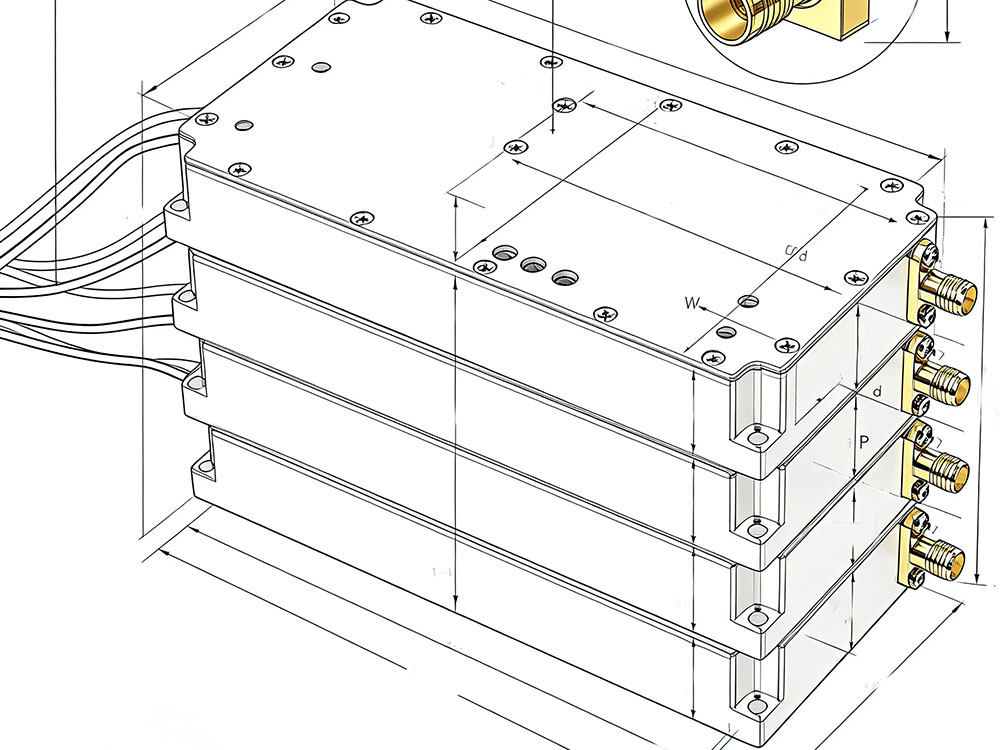
Connector type influences cable loss and integration effort. N-type connectors handle high power well; SMA and TNC are common on smaller modules. Physical dimensions and cooling method—passive heatsink or forced air—also shape installation. A compact module without proper airflow may throttle output after minutes.
Environmental and Compliance Ratings
Outdoor deployments need IP-rated enclosures. IP65 resists dust and low-pressure water; IP67 survives temporary immersion. Operating temperature range is equally important, especially for desert or arctic sites. Always verify that the manufacturer lists compliance with relevant spectrum regulations.
| Specification | Typical Range | Impact on Performance |
|---|---|---|
| Frequency bands | 433 MHz, 915 MHz, 2.4 GHz, 5.8 GHz, GPS L1/L2 | Determines which drones can be jammed |
| Output power per band | 10 W – 100 W | Sets effective range and collateral risk |
| Connector type | N-type, SMA, TNC | Affects cable loss and integration |
| Operating voltage | 12 V DC, 24 V DC, 48 V DC | Influences vehicle or fixed power design |
| IP rating | IP54, IP65, IP67 | Defines outdoor durability |
| Duty cycle | 10% – 100% | Impacts heat management and legal use |
Selecting Modules by Deployment Type
Vehicle convoys need low-voltage DC input and ruggedized connectors. Fixed perimeters benefit from modules with remote monitoring and high-gain sector antennas. Handheld response teams prioritize weight and battery life over raw output. By aligning drone jammer module specifications with the mission profile, you avoid buying a lab-grade unit for a field job. For a list of proven modules, see our guide on top drone jamming modules for security.
Regulatory Reminders
In many countries, private use of jammers is illegal. Only authorized agencies may deploy active countermeasures. Before purchasing, review local spectrum laws and coordinate with regulators. The FCC’s jammer enforcement page offers official guidance on legal limits.
Reading drone jammer module specifications carefully is not just an engineering exercise—it is a compliance requirement. Match frequency, power, duty cycle, and environmental ratings to the actual threat and legal framework before making a purchase.