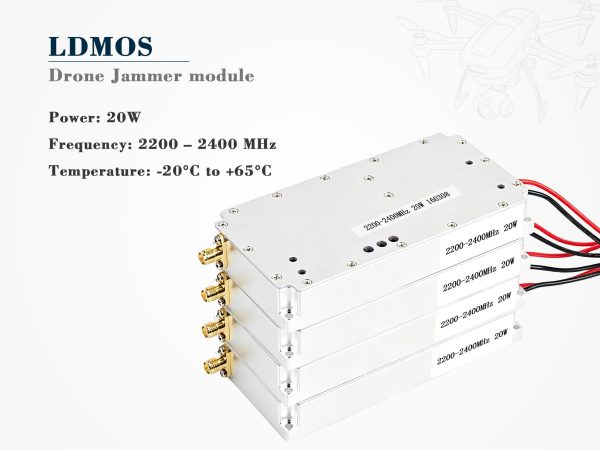
20W Jamming Module 2010-2170MHz LDMOS for UAV
20W LDMOS jamming module covers 2010–2170MHz with built-in fast sweep oscillator. Operates 24-29V, 2.5A, SMA out, 115.5x46.5x21mm, 0.21kg. Ideal for drone defense.
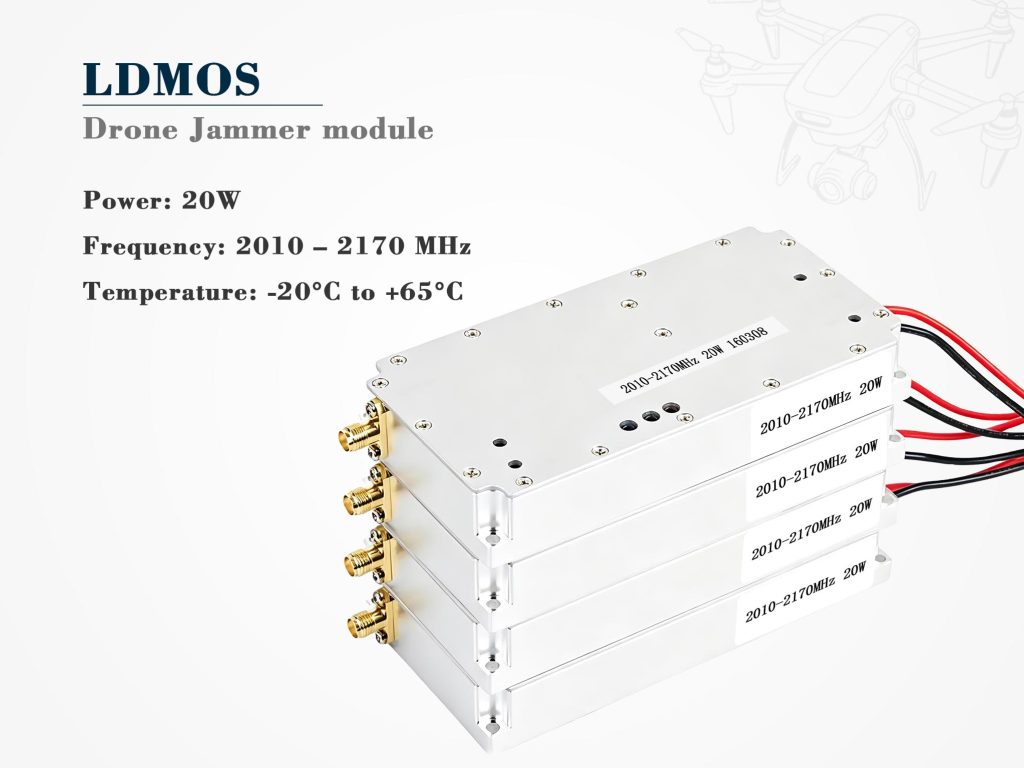
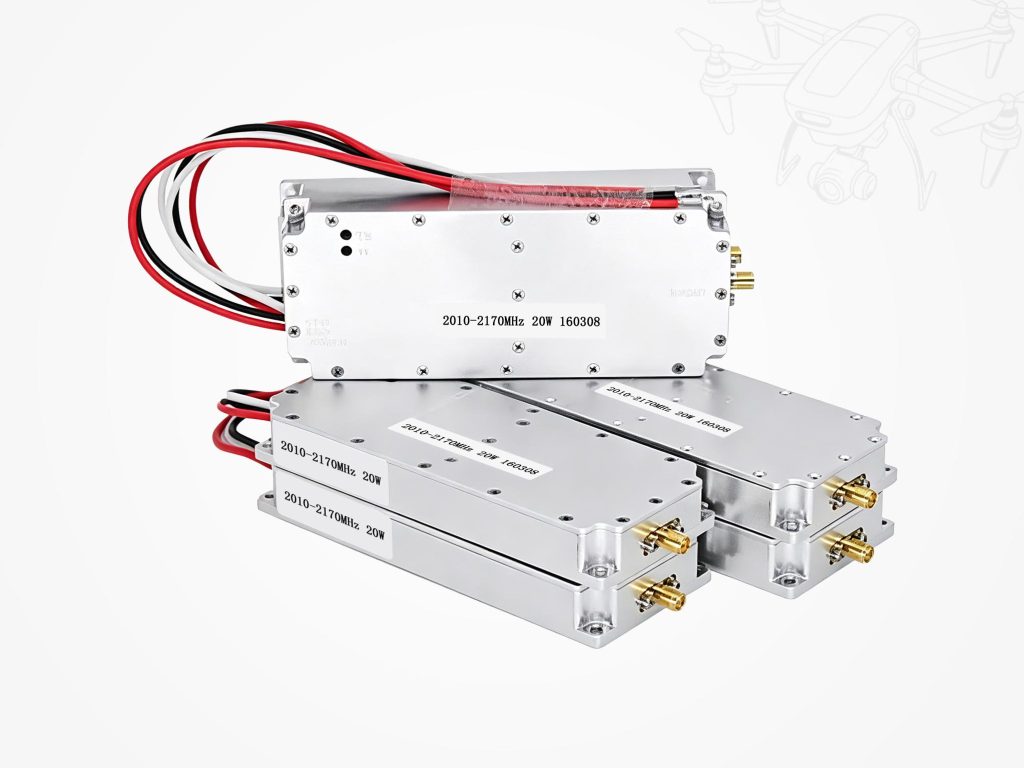
Technical Specifications
| Parameter | Specification | Notes |
| Frequency range | 2010–2170 MHz | fixed, no external tuning required |
| Output power | 20W (typical) | measured at 50Ω load, 28V supply |
| Supply voltage | DC 24V–29V | nominal 28V recommended |
| Current draw | ≤2.5A | at full output, 28V |
| Modulation source | built‑in high‑speed sweep | analog scanning, no external RF input |
| Analog scan speed | internal fast sweep, preset | factory‑optimized for UAV bands |
| Input / output impedance | 50Ω (RF output); control pin high‑Z | output only; control is TTL |
| Protection LEDs | Power‑on (green), VSWR fault (red) | - |
| Operating temperature | -20°C to +65°C | ambient; baseplate temperature monitored |
| Dimensions (L×W×H) | 115.5×46.5×21mm | excluding SMA and pin connectors |
| Weight | 0.21kg | approximate, ±5% |
| Base material | aluminum alloy | black anodized finish |
Product Details
Overview
The 20W Jamming Module described here is a compact LDMOS-based analog interference unit tailored for the 2010–2170MHz band. It combines a fast internal sweep oscillator with a robust power amplifier, making it suitable for counter-UAV and electronic countermeasure applications. Its small footprint and straightforward control logic allow easy integration into portable or fixed jamming systems. Users can expect stable output across temperature and supply variations, thanks to the mature LDMOS design.
Core Specs at a Glance
This 20W Jamming Module delivers typical output power of 20W into a 50Ω load with a VSWR below 2.0. The supply range is 24V to 29V DC, drawing up to 2.5A at full load. Efficiency is rated at 40% minimum, which keeps heat generation manageable in field deployments. The output interface is a standard SMA female connector, and the built-in scanning source covers the entire 2010–2170MHz range without requiring external signal injection.
Built‑in Sweep Source and Modulation
Unlike passive amplifier modules, this 20W Jamming Module houses its own high‑speed sweep generator. The sweep rate is internally optimized to disrupt common drone control and telemetry links in the 2GHz band. Because the modulation source is embedded, users do not need to provide an external RF input—just apply DC power and the enable signal, and the module starts sweeping. This simplifies system design and reduces the number of external components, cutting both cost and assembly time.
Power Efficiency and Thermal Performance
With a minimum efficiency of 40%, the 20W Jamming Module produces roughly 30W of heat at full output. The aluminum baseplate helps conduct heat away, and the module is rated for operation from -20°C to +65°C. For continuous high‑duty use, it is advisable to attach a suitable heatsink or active cooling, especially when ambient temperatures exceed 40°C. The LDMOS transistor chosen for this 20W Jamming Module offers excellent ruggedness against load mismatch, adding an extra layer of reliability in real‑world conditions.
Control Interface and Installation
Enable control is simple: leave the control pin open or apply +5V to turn the module on; ground the pin to shut it down. This TTL‑compatible logic allows remote switching via a microcontroller or manual switch. The compact dimensions—115.5mm × 46.5mm × 21mm—and weight of only 0.21kg make the 20W Jamming Module easy to mount in gimbals, backpacks, or small enclosures. The SMA female connector provides a secure RF interface, and the DC input should be filtered to avoid ripple that could affect sweep purity.
Why LDMOS for This Band
LDMOS technology offers high gain, good linearity, and excellent thermal stability in the 2GHz region. For the 20W Jamming Module, LDMOS provides the headroom needed to maintain output power across temperature and supply changes. It also withstands reflected power better than some GaAs alternatives, reducing the risk of damage when the antenna is detuned or disconnected briefly. This makes the module a dependable choice for both laboratory testing and field operations.
Field Deployment Tips
When using the 20W Jamming Module in the field, pay attention to DC cable gauge and connector quality. Voltage drop over long cables can reduce output; keeping supply leads short or using thicker wires is recommended. Also, ensure the SMA output is torqued correctly to maintain low VSWR. A simple LED indicator on the control line can help verify enable status, although the module itself does not include a built‑in status LED. Routine visual inspection of the RF connector and power terminals is advised before each mission.
Mechanical Integration
The baseplate is made of aluminum for good thermal conduction; mounting holes are not pre‑drilled, but the edges allow clamping or adhesive attachment. In mobile systems, the light weight helps reduce payload strain. The module has no official IP rating, so it should be housed in a weatherproof enclosure for outdoor use. With its low profile, the 20W Jamming Module can fit into 1U rack spacers or handheld frames, giving designers flexibility in system layout.
Why Choose This Module Over Discrete Designs?
Building a discrete sweep source plus PA chain consumes more board space and tuning effort. This integrated 20W Jamming Module eliminates matching and biasing complexity. It also offers consistent performance because the sweep oscillator and amplifier are factory‑aligned. Users save development time and can focus on system‑level integration rather than RF debugging. The all‑in‑one approach reduces failure points and simplifies spare‑part management, which is especially valuable for production runs.
Frequently Asked Questions
Case Studies
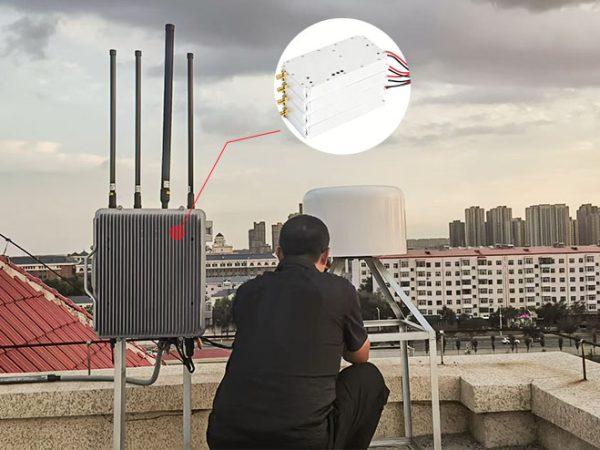
Heilongjiang Weather Center Completes Anti-Drone System Upgrade with Three High-Power Drone Jammer Modules

Tangshan Chem Plant Sealed Drone Gaps With 3 GaN Wideband Modules

How a National Prison Integrated Our Drone Jamming Module Into Their Fixed Counter-Drone System

Integrating Core RF Power: OEM Drone Jamming Module for Oil Refinery Security | Case Study
Send Us a Message
Related Products
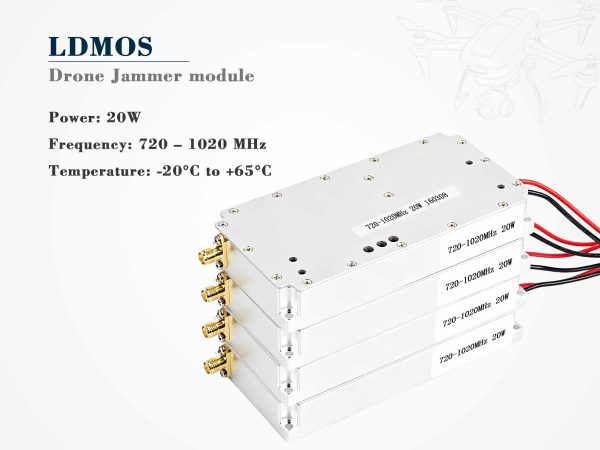
20W 720–1020MHz UAV Jammer Module | LDMOS Analog
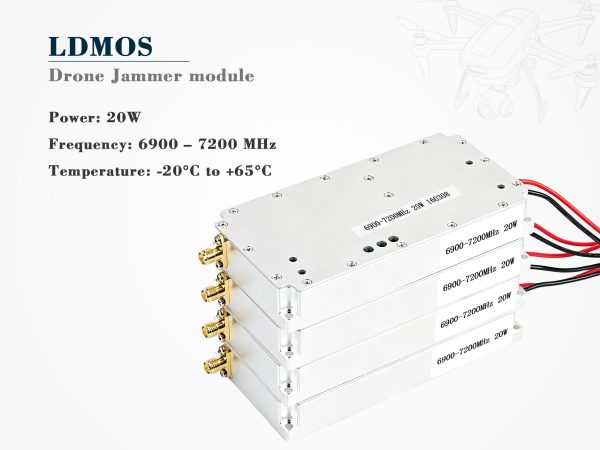
Powerful 20W LDMOS Drone Jammer Module for 6.9–7.2 GHz
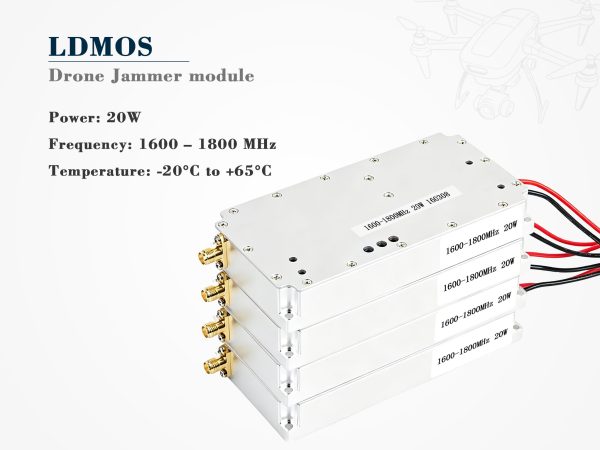
Powerful 20W Anti Drone Module 1600–1800MHz