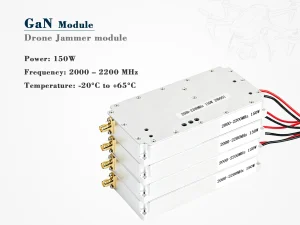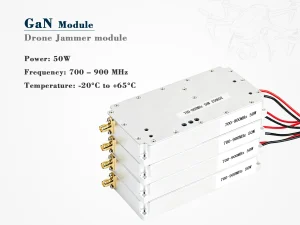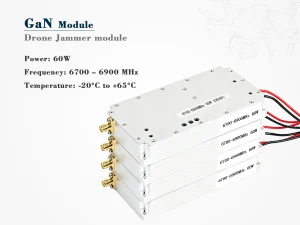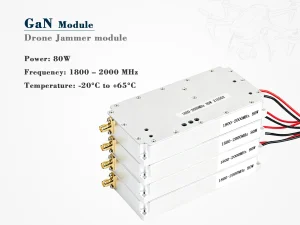
What is a LoRa FPV jammer module? In industry and security discussions, the term describes a radio-frequency module marketed or described as capable of disrupting LoRa links, FPV drone video/control signals, or both. It is not a standard, legal consumer device in most markets. This article examines the term from a news, compliance, and counter-UAS perspective — not as a build, buy, or operation guide.
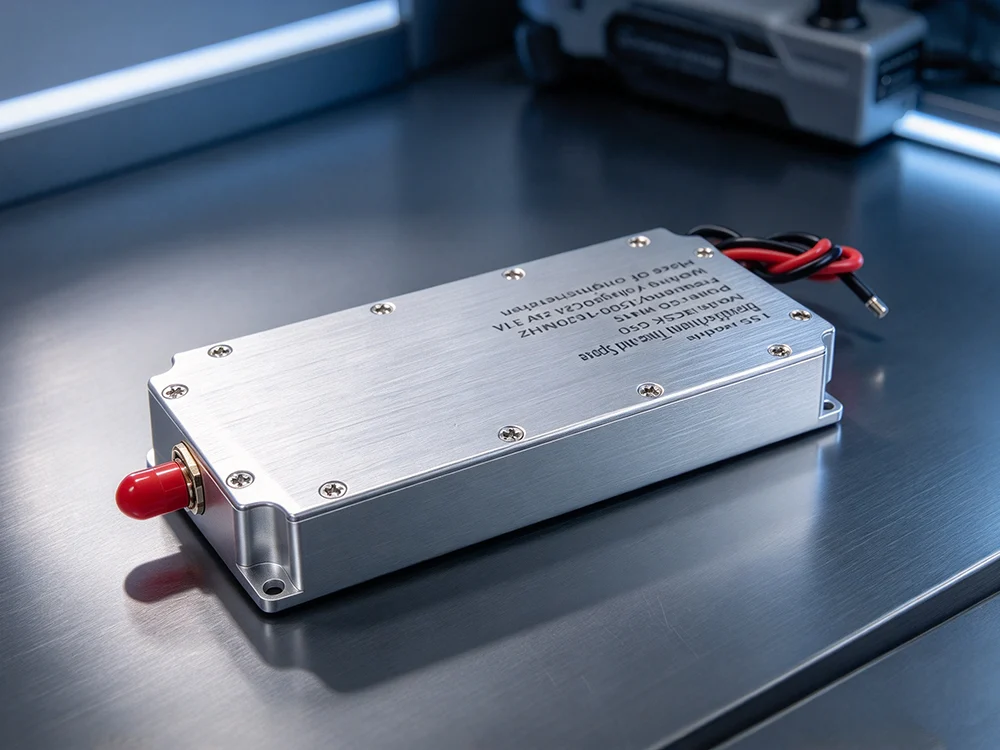
LoRa FPV Jammer Module Basics: What the Term Actually Means
A LoRa FPV jammer module combines two very different radio worlds. LoRa is a low-power wide-area network technology used in IoT, telemetry, asset tracking, and some long-range command links. FPV stands for first-person view, a drone operating style that depends on real-time video and control signals. A jammer module would attempt to overwhelm those signals with interference.
That combination is why the phrase appears in search results, vendor catalogs, and security forums. However, the label is often imprecise. Many products described as a “LoRa FPV jammer module” may target only one band, may be mislabeled, or may be illegal to import, sell, or use.
| Term | Meaning | Industry Relevance |
|---|---|---|
| LoRa | Low-power, long-range wireless protocol | Used in IoT and some drone telemetry |
| FPV | First-person-view drone operation | Requires live video and control links |
| Jammer module | RF hardware that intentionally interferes with signals | Illegal in many jurisdictions |
| LoRa FPV jammer module | A loose label for a module aimed at LoRa and/or FPV signals | Mostly a compliance and security concern, not a legitimate retail category |
Why the Phrase “LoRa FPV Jammer Module” Is Often Misused
Vendors sometimes use broad SEO terms to attract buyers. A module may be described as a LoRa FPV jammer module even if it does not affect LoRa at all. In other cases, it may interfere with common FPV frequencies but not with LoRa networks. This ambiguity creates confusion for security teams, procurement officers, and regulators.
For legitimate drone security, the better question is not “Which jammer works?” but “How do we detect, identify, and respond to unauthorized drones within the law?” That shift is visible across the counter-UAS market, where passive detection and analytics are growing faster than active interference tools.
Why LoRa and FPV Are Discussed Together
LoRa and FPV are not the same technology. LoRa is narrowband, long-range, and low-data-rate. FPV video is typically high-bandwidth and short-range. A single LoRa FPV jammer module would therefore face significant engineering trade-offs.
Still, the two are discussed together because modern drones can use hybrid links. A drone may use one link for command and control, another for video, and a third for telemetry. Security teams worry that disrupting one link may not stop the drone, while disrupting multiple links may cause uncontrolled behavior or broader RF pollution.
Legal and Regulatory View of a LoRa FPV Jammer Module
The central legal fact is simple: radio jamming is generally prohibited. In the United States, the FCC states that jamming devices are illegal to use, import, market, or sell. In the United Kingdom, Ofcom warns that jammers and blockers are illegal to use. Similar restrictions exist across the EU and many other regions.
Even if a website sells a LoRa FPV jammer module, that does not make it legal. Importation, possession, and operation can each carry penalties. Cross-border interference can also affect emergency services, aviation, and public networks.
| Region | General Position | Practical Note |
|---|---|---|
| United States | Jamming generally prohibited | FCC enforcement applies to sale and use |
| United Kingdom | Jammers and blockers illegal to use | Ofcom can investigate interference |
| European Union | Member states restrict jamming | National regulators enforce spectrum rules |
| International | ITU coordinates spectrum use | Interference can cross borders |
For broader spectrum rules, see the ITU-R FAQ. For aviation and drone security context, the EU Agency for Cybersecurity and EASA drone safety pages are useful references.
5 Market and Security Trends Around LoRa FPV Jammer Module Interest
Interest in the LoRa FPV jammer module phrase tends to rise after high-profile drone incidents, airport closures, and stadium security scares. Yet the market is moving toward compliance-first solutions. Here are five trends.
| Trend | Driver | Implication |
|---|---|---|
| 1. Search spikes after incidents | Public drone disruptions | Buyers look for quick fixes, often without legal review |
| 2. Compliance-first procurement | Regulator pressure | Security teams prioritize detection over jamming |
| 3. Passive RF monitoring growth | Legal and safety concerns | Detection does not require transmitting interference |
| 4. Hybrid drone links | More complex UAS designs | Single-band jamming is less reliable and less predictable |
| 5. Component-label confusion | SEO-driven vendor listings | A “LoRa FPV jammer module” may not match its description |
The most important trend is the shift from “Can we jam it?” to “Can we prove it, track it, and coordinate a lawful response?” That is especially true for airports, prisons, critical infrastructure, and public events, where uncontrolled RF interference can create safety and liability risks.
For cybersecurity governance, the CISA best practices offer a useful framework for risk assessment, incident response, and vendor review.
Alternatives to a LoRa FPV Jammer Module for Legitimate Drone Security
For most organizations, a LoRa FPV jammer module is not a legitimate solution. The lawful alternatives focus on awareness, detection, and coordination with authorities.
| Approach | What It Does | Why It Is Preferred |
|---|---|---|
| RF detection | Monitors spectrum for drone signatures | Passive and generally lawful |
| Protocol analytics | Identifies control and video link behavior | Supports evidence and attribution |
| Geofencing | Prevents drones from entering zones | Software-based and preventive |
| Authorized counter-UAS | Used only by approved agencies | Legal authority is essential |
| Incident response | Escalates to law enforcement or regulator | Maintains due process |
Key Takeaways
-
A LoRa FPV jammer module is usually a loosely defined and heavily regulated device category.
-
LoRa and FPV are different radio technologies, so one module rarely handles both effectively.
-
Jamming is generally illegal; online sales do not create legal permission.
-
Detection, analytics, and authorized response are the compliant path for most organizations.
-
Always verify local spectrum laws and consult qualified legal or RF compliance experts.
As drone security budgets grow in 2026, the industry is likely to keep debating the LoRa FPV jammer module concept. The safer and more sustainable direction is clear: monitor first, document accurately, and interfere only when the law explicitly authorizes it.