
150W 2000–2200MHz GaN Analog Drone Jammer Module
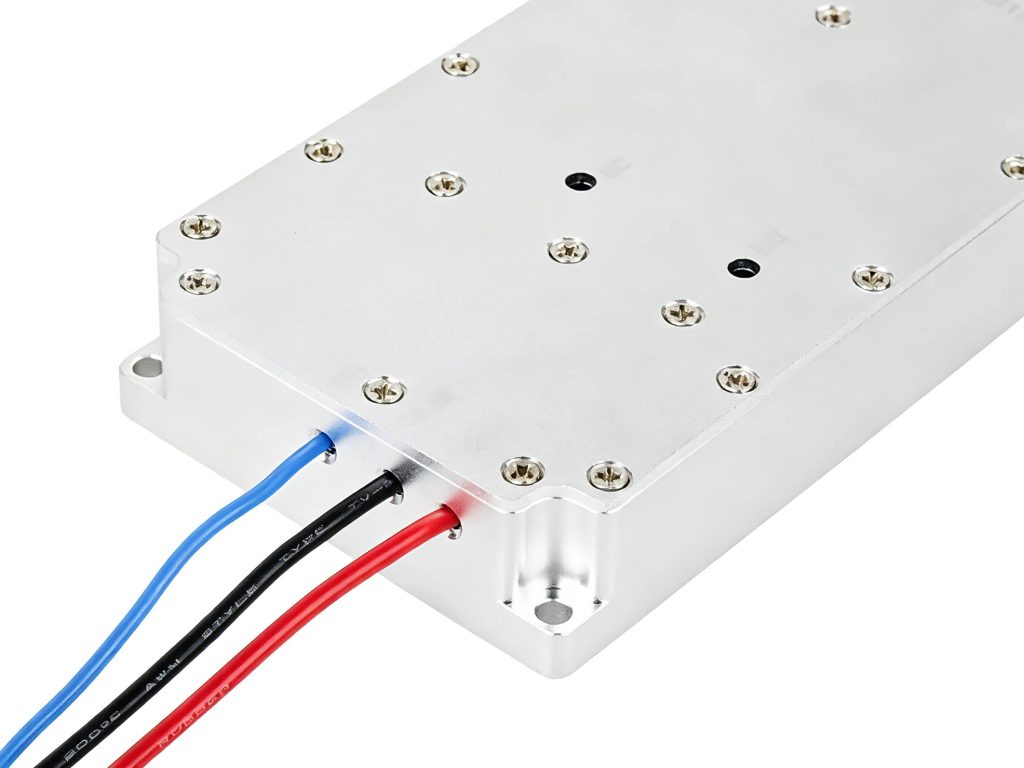
150W GaN analog drone jammer module, 2000–2200MHz, DC24–29V, 15A max, ≥40% efficiency, SMA female, built-in high-speed sweep source and protection.


Technical Specifications
| Parameter | Specification | Notes |
| Frequency range | 2000–2200 MHz | 2.0–2.2 GHz wideband UAV link band |
| Output power | 150 W | GaN amplifier |
| Supply voltage | DC24–29 V | Regulated DC input |
| Current draw | 15.0 A max | At full output |
| Modulation source | Built-in high-speed sweep source | Analog interference, no external modulator required |
| Analog scan speed | High-speed internal sweep | Not externally adjustable |
| Input / output impedance | 50 Ω RF path | SMA female output |
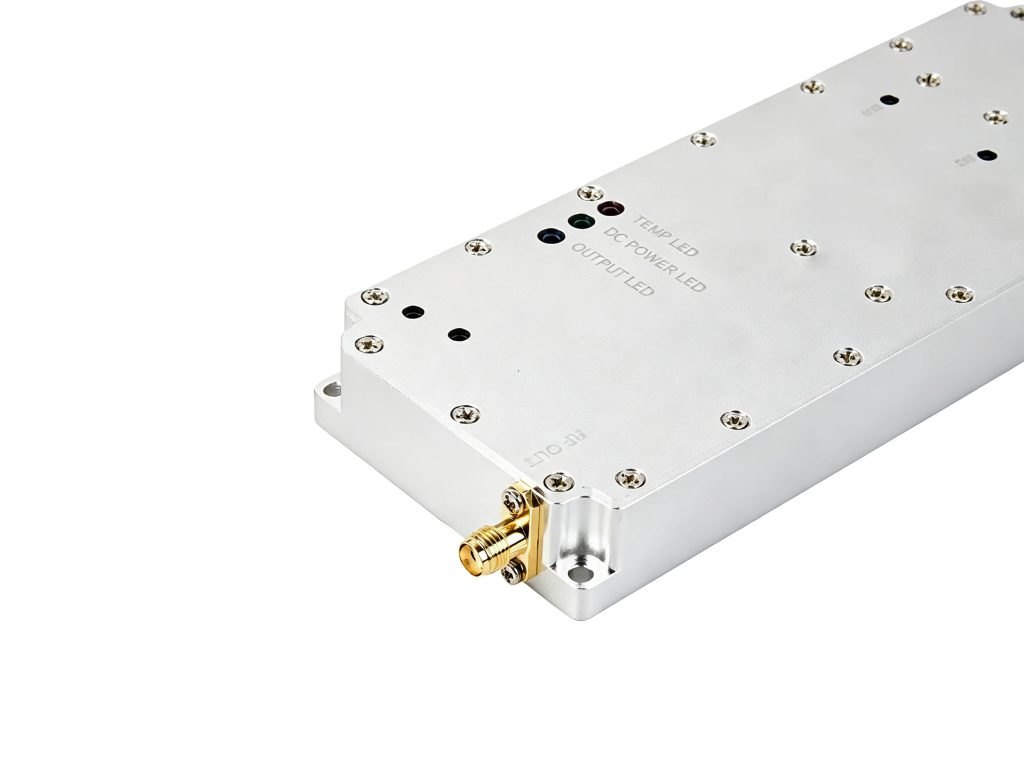
| Protection LEDs | Power, over-voltage, over-temperature | Status indicators |
| Operating temperature | -20 to +65 °C | Use heatsink and airflow |
| Dimensions (L×W×H) | 168.5 × 84.5 × 23 mm | Compact housing |
| Weight | 0.55 kg | Module only |
| Base material | GaN RF stage, aluminum alloy housing | GaN power stage |
Product Details
Compact 150W GaN RF Module for 2.0–2.2 GHz
This 150W GaN analog drone jammer module is designed for 2000–2200MHz operation. It combines a GaN amplifier, a high-speed sweep source, and protection circuits in one compact housing. The module runs from DC24–29V and draws up to 15.0A. Output connector is SMA female. It is aimed at UAV countermeasure systems, RF test benches, and fixed or mobile security equipment.
Key Performance at a Glance
The module covers 2000–2200MHz. Output power is 150W. Supply voltage is DC24–29V. Maximum current draw is 15.0A. Efficiency is ≥40%. Output VSWR is ≤2.0. Operating temperature is -20 to +65°C. Weight is only 0.55kg. These figures help engineers plan power, cooling, and rack space before integration.
Why GaN Matters
GaN devices handle high power with better efficiency than many older RF technologies. This module delivers 150W output while keeping efficiency at ≥40%. That helps reduce heat inside the 168.5×84.5×23mm case. It also supports stable operation across the full 2000–2200MHz band. For integrators, the benefit is simple: more RF power in less space, with less cooling effort.
Analog Integrated Design
The module includes an internal high-speed sweep source. You do not need to add an external modulation source. Control is straightforward: +5V or floating turns it on, while grounding turns it off. The output VSWR is ≤2.0. A built-in absorption-type VSWR protection device helps guard the amplifier when the antenna match is not perfect.
Protection and Monitoring
Status LEDs show power, over-voltage, and over-temperature conditions. This makes fault checking faster during bench tests and field use. The operating temperature range is -20 to +65°C. Even so, good heatsinking and airflow are important at 150W. Mount the module to a metal plate or heatsink and avoid blocking ventilation paths.
Cooling and Power Tips
At 150W, cooling is not optional. Use thermal paste between the module and the mounting surface. Keep the heatsink in clean airflow. Choose a DC supply with headroom above 15.0A so voltage does not sag during peaks. Short, thick power cables reduce loss. For mobile use, secure all connectors and cables against vibration.
Integration Notes
Keep the RF path at 50Ω and use a suitable antenna. The SMA female output is standard, but cable quality still matters. Use short, low-loss coax where possible. The DC supply should be clean and able to deliver 15.0A peaks. Check polarity before power-up. The switch control line should be routed away from noisy power cables. For mobile systems, secure the module against vibration and shock.
Applications
Typical uses include drone countermeasure, signal denial, RF immunity testing, and security research. The 2000–2200MHz range covers many UAV telemetry, video, and control links. Users must follow local laws. RF jamming is regulated in most countries. This module is a component for authorized engineers and system builders, not a finished consumer product.
Who It Is For
This product suits RF engineers, counter-UAV developers, and system integrators. It is not a plug-and-play consumer device. You still need a legal frequency plan, a matched antenna, a stable power supply, and a control interface. If your project already has those parts, this UAV jammer module can shorten development time.
Before You Install
Check the allowed frequency band in your region. Confirm antenna VSWR and power rating. Verify that the DC supply can deliver 15.0A. Test on a dummy load first when possible. Keep the module away from sensitive receivers. Use proper shielding and grounding.
Final Thoughts
If you need a compact 150W GaN UAV jammer module for 2.0–2.2GHz analog interference, this unit offers a practical starting point. It brings power, sweep source, and protection together. With correct cooling, antenna matching, and legal use, it can fit into many counter-UAV and RF test designs.
Frequently Asked Questions
Case Studies
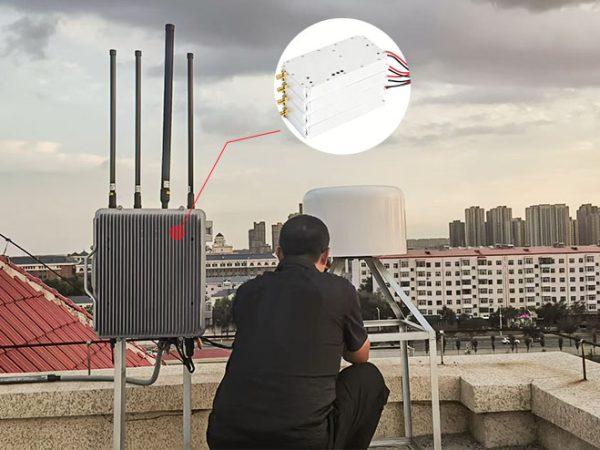
Heilongjiang Weather Center Completes Anti-Drone System Upgrade with Three High-Power Drone Jammer Modules

Tangshan Chem Plant Sealed Drone Gaps With 3 GaN Wideband Modules

How a National Prison Integrated Our Drone Jamming Module Into Their Fixed Counter-Drone System

Integrating Core RF Power: OEM Drone Jamming Module for Oil Refinery Security | Case Study
Send Us a Message
Related Products

150W 1350–1450MHz GaN Analog Jammer Module

150W 600–700MHz GaN Drone Countermeasure Module

150W GaN Anti-Drone Jammer Module for 720-1020 MHz