The market for 2.4GHz drone jammer modules is often discussed in technical terms, but the more important buyer conversation is now about compliance. Because 2.4GHz spectrum supports many everyday wireless services—including remote controls, telemetry links, Wi-Fi, and Bluetooth—products that intentionally disrupt this band are treated as regulated radio equipment in most markets. For vendors, integrators, and procurement teams, the commercial opportunity is real, but it is tightly framed by legal, certification, and reputational risk.
This outlook takes a compliance-first view. It is intended for industry awareness and is not legal advice. Buyers should confirm local requirements before any commercial or operational decision.
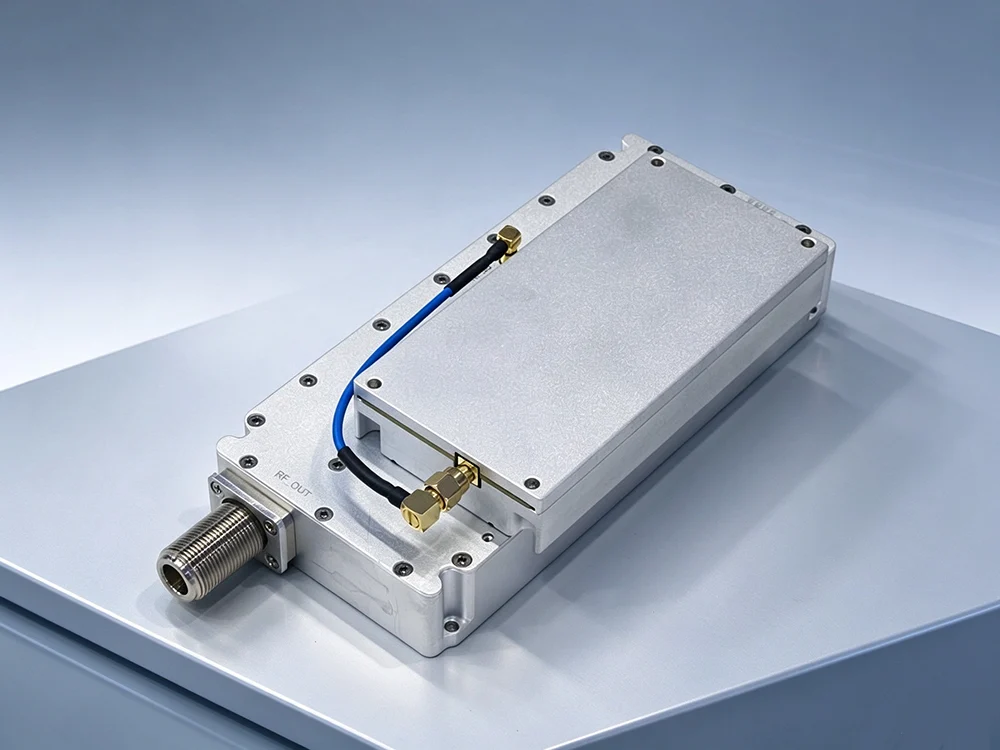
Market signals: demand is shifting from “component” to “controlled system”
The days of treating a 2.4GHz drone jammer module as a generic RF component are fading. Professional buyers increasingly ask for documentation, traceability, and evidence that the product is supplied for lawful applications only. That shift is changing how suppliers present their products and how buyers evaluate them.
| Market segment | Typical buyer concern | Compliance emphasis |
|---|---|---|
| Government and critical infrastructure | Authorized counter-UAS use, auditability, and controlled deployment | Clear legal basis, documented approvals, and restricted distribution |
| Systems integrators | Stable supply, integration support, and liability boundaries | End-use controls, technical files, and contract clauses |
| Research and testing labs | Controlled test environments and repeatable measurements | Shielded facilities, qualified personnel, and limited access |
| Distributors and resellers | Market access and after-sales risk | Certification checks, labeling, and country-specific restrictions |
Demand is not uniform. In some regions, counter-UAS procurement is moving through formal channels with stronger documentation requirements. In others, enforcement is tightening around unauthorized radio equipment. For suppliers, the lesson is straightforward: a 2.4GHz drone jammer module may be technically mature, but its market viability depends on whether the surrounding compliance package is mature too.
Buyer priorities: what serious procurement teams check first
Price and RF performance still matter, but they are no longer the opening questions. Experienced buyers tend to screen suppliers on legal positioning, documentation, and end-use control before discussing commercial terms.
| Due-diligence checkpoint | What to verify | Why it matters |
|---|---|---|
| Regulatory status | Whether the product may be lawfully supplied, owned, or used in the target market | Prevents seizure, fines, and contract disputes |
| Certification and labeling | Required approvals, marks, manuals, and language requirements | Supports customs clearance and resale compliance |
| End-use controls | Customer screening, restricted-sales policy, and audit trail | Reduces diversion and misuse risk |
| Technical documentation | Block diagrams, test reports, and change-control records | Helps integrators assess fit and liability |
| Support boundaries | Installation guidance, training limits, and warranty terms | Clarifies responsibility between supplier and buyer |
| Reputation and references | Past projects, customer type, and complaint history | Signals long-term commercial reliability |
A recurring mistake is to compare 2.4GHz drone jammer modules only on headline specifications. That approach ignores the cost of non-compliance: detained shipments, revoked certifications, tender disqualification, and reputational damage. In many projects, the cheapest module becomes the most expensive decision.
Cross-band context: why 5.8GHz deserves a separate review
Buyers rarely evaluate one band in isolation. FPV systems, video links, and control architectures often involve multiple frequency bands, so procurement teams frequently compare 2.4GHz and 5.8GHz product categories side by side. However, the market logic is not identical. 5.8GHz FPV equipment has its own buyer expectations, certification questions, and supply patterns.
For teams building a cross-band sourcing framework, a useful starting point is this related buyer brief: 5.8GHz FPV Jammer Modules: Buyer Market Brief. It complements the 2.4GHz view by focusing on FPV-oriented market expectations rather than treating all jammer modules as one homogeneous category.
What distinguishes a credible 2.4GHz supplier
Credible suppliers tend to share several habits. They define the intended market clearly. They avoid promising universal legality. They maintain documented sales controls. They separate technical capability from authorized use. And they are comfortable saying “no” to buyers who cannot demonstrate a lawful application.
That posture may reduce short-term order volume, but it improves long-term market positioning. As counter-UAS policy matures, buyers will favor suppliers that can support audits, tenders, and cross-border compliance. The 2.4GHz drone jammer module category is therefore likely to consolidate around vendors that treat compliance as part of the product, not as an afterthought.
Outlook
The 2.4GHz drone jammer module market is not disappearing, but it is professionalizing. Demand from authorized segments continues to attract suppliers, while regulators and procurement teams raise the bar for documentation and end-use control. The winning commercial approach is not aggressive promotion; it is disciplined market segmentation, clear legal boundaries, and reliable evidence.
For buyers, the practical takeaway is simple: evaluate the supplier’s compliance system as carefully as the module itself. For suppliers, the message is equally clear: in this category, credibility is a commercial asset.