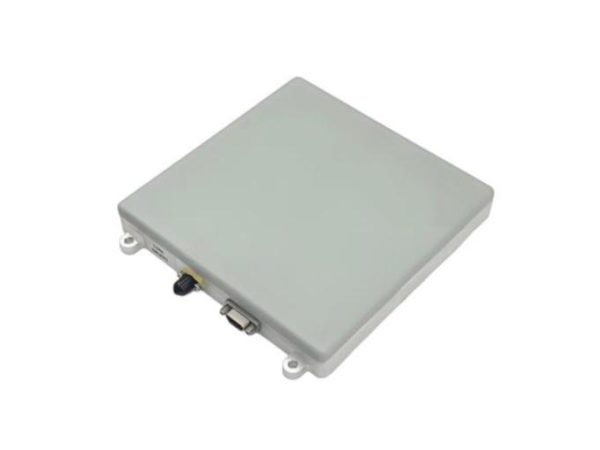
BNTAJB GNSS Anti Jamming Module – Robust 4-Channel
BNTAJB GNSS anti jamming module covers GPS L1/L2/L5, BDS B1/B2/B3. 4-channel input, suppresses up to 3 jammers, single-tone rejection ≥110dB. Compact 70x54x11mm, 5–14Vdc, RS422/UART.
Real-World Application Scenarios:
1. Aviation & UAVs: Secures flight paths against ground-based jammers.
2. Marine Navigation: Prevents signal loss in busy ports with high RF activity.
3. Timing Networks: Ensures accurate synchronization in cellular and financial networks.
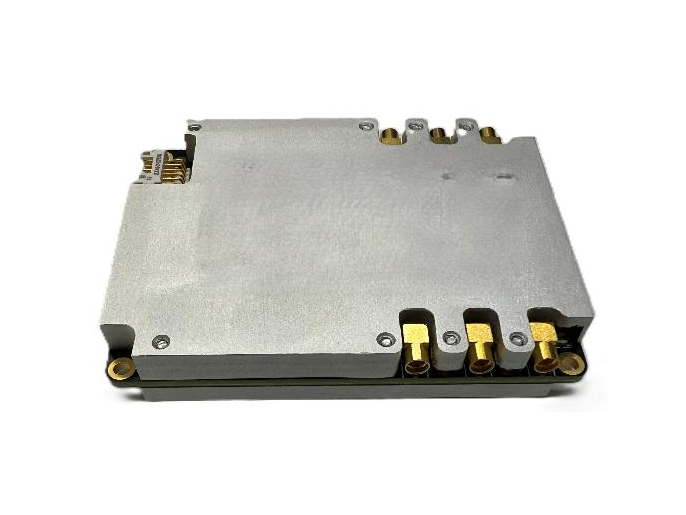
Technical Specifications
| Parameter | Value |
| Input Channels | 4 channels | max +10 dBm |
| Output Channel | 1 channel | -70 to -40 dBm |
| Processing Modes | M0: L1/B1(1559~1606MHz) | M1: L2(1227.6±1MHz) | M2: L5/B2a(1176.45±12MHz) | M3: B2b(1207.14±10MHz) | M4: B3(1268.52±10MHz) |
| Jammer Suppression | Up to 3 simultaneous directions | Single ≥110dB | Three ≥95dB |
| Data Interface | RS422 | UART (LVTTL) |
| Power Supply | 5~14 Vdc | 10 W nominal |
| Dimensions | 70×54×11 ±0.5 mm |
| Operating Temperature | -40°C to +70°C |
| Connector | JL126-2-12ZJW | GPIO included |
Product Details
The BNTAJB GNSS anti jamming module delivers a dependable shield when positioning signals face intentional or accidental disruption. Designed for multi-constellation environments, it keeps your receiver locked even while nearby emitters try to drown out the sky. Field engineers and system integrators often call it a “set-and-forget” RF firewall.
Why a Dedicated GNSS Anti Jamming Module Matters
Standard GNSS receivers crumble under broadband noise, continuous wave tones, or swept-frequency attacks. A purpose-built GNSS anti jamming module like BNTAJB actively nulls interference before it reaches the correlator. The result is uninterrupted PVT (position, velocity, time) in electronic warfare scenarios, busy ports, or near high-power broadcast towers. You maintain situational awareness without resets or workarounds.
How the 4-Channel Front End Works
BNTAJB uses four independent RF input channels to sense the spatial signature of incoming signals. By comparing amplitude and phase differences across the array, the embedded processor identifies up to three distinct jamming directions and creates deep spatial notches. The cleaned signal then feeds a single output channel at a calibrated level between -70 and -40 dBm, perfectly matching downstream GNSS receivers without overdrive.
Smart Gain Control for Real-World Dynamics
Integrated Automatic Gain Control (AGC) continuously adjusts gain across a wide dynamic range. Whether you are taxiing near an airport radar or flying at low altitude over cellular base stations, the GNSS anti jamming module prevents saturation and maintains linearity. This eliminates the manual attenuator tweaking that slows down field deployments.
Multi-Band Coverage Without Gaps
The module handles processing modes that span the most utilized GNSS bands:
-
M0: GPS L1 & BDS B1 (1559–1606 MHz)
-
M1: GPS L2 (1227.6 ±1 MHz)
-
M2: GPS L5 & BDS B2a (1176.45 ±12 MHz)
-
M3: BDS B2b (1207.14 ±10 MHz)
-
M4: BDS B3 (1268.52 ±10 MHz)
From 1176 MHz to 1606 MHz, the GNSS anti jamming module covers the complete civil and military spectrum you are likely to encounter. This compatibility slashes the need to qualify multiple hardware variants for different regional satellite systems.
Physical Build That Matches Tight Spaces
Measuring just 70×54×11 mm and weighing next to nothing, BNTAJB slides into UAV payloads, maritime terminals, and vehicle-mount enclosures without forcing a chassis redesign. The wide 5–14 Vdc input accepts dirty vehicle power or regulated lab supplies. Typical consumption sits at 10 W, so a modest DC-DC converter and passive cooling are sufficient even inside sealed avionics bays.
Connector Simplicity
A single JL126-2-12ZJW interface carries power, serial communication, and GPIO. The pin arrangement supports both RS422 differential signaling for cable runs exceeding tens of meters and LVTTL UART for direct microcontroller connections. One GPI and one GPO let external logic monitor jamming status or switch operating profiles on the fly.
Operational Scenarios Worth Noting
-
UAV Navigation: A swarm operator flying near contested borders benefits from the three-interference nulling, keeping return-to-home routes valid when ground-based jammers are active.
-
Maritime Timing: Port cranes and piloting systems rely on continuous GNSS locks. BNTAJB rejects shipboard radars and nearby VHF transceivers that otherwise cause cycle slips.
-
Critical Infrastructure Timing: Financial hubs and cellular networks need sub-microsecond synchronization. This GNSS anti jamming module preserves timing accuracy by stripping out interference before it can introduce offset errors.
For a deeper dive into interference trends, refer to the Eurocontrol GNSS interference analysis.
Frequently Asked Questions
Case Studies
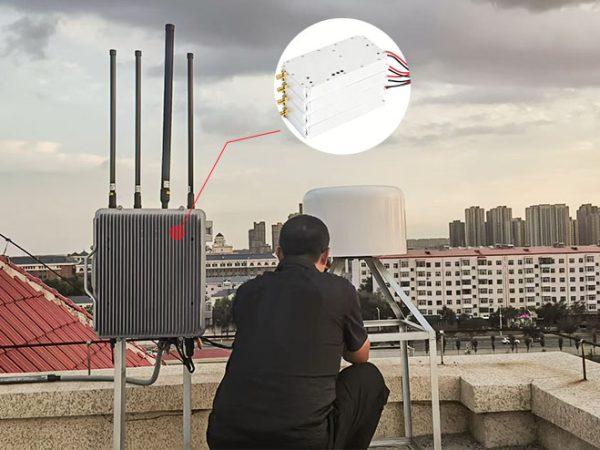
Heilongjiang Weather Center Completes Anti-Drone System Upgrade with Three High-Power Drone Jammer Modules

Tangshan Chem Plant Sealed Drone Gaps With 3 GaN Wideband Modules
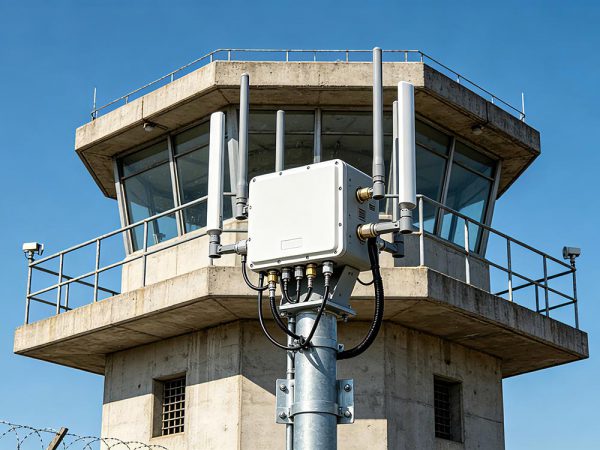
How a National Prison Integrated Our Drone Jamming Module Into Their Fixed Counter-Drone System

Integrating Core RF Power: OEM Drone Jamming Module for Oil Refinery Security | Case Study
Send Us a Message
Related Products
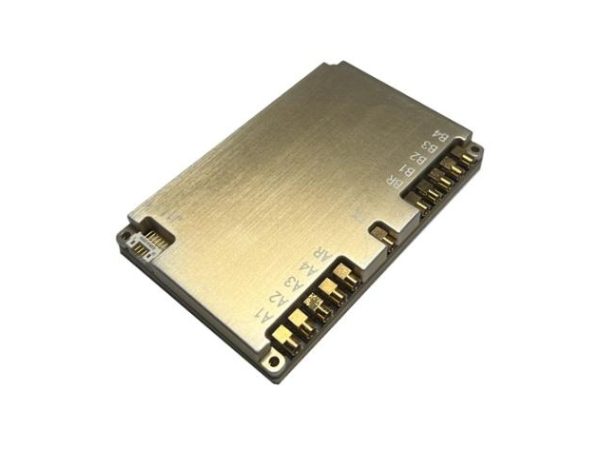
BNTHAB RF Anti Jamming Module: 8-Channel Signal Shield
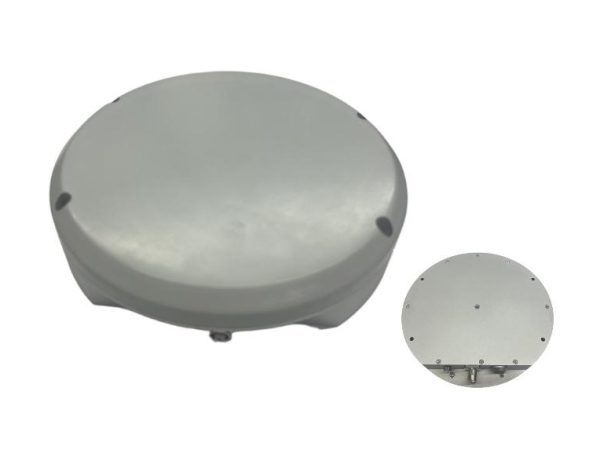
BNTDFM UAV Anti Jamming System – Robust 110dB Dual-Band
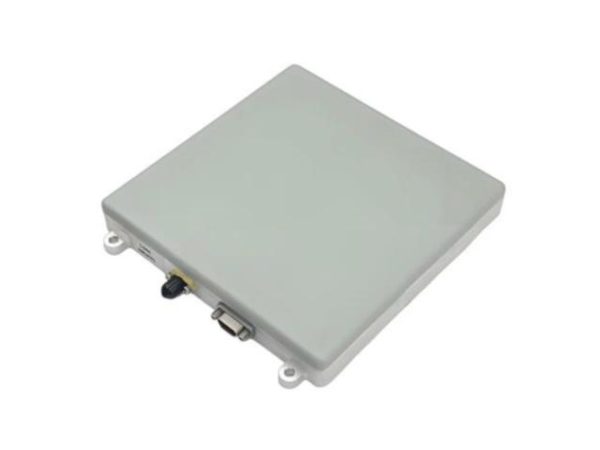
BNTLS8 Signal Anti Jamming Module: 7-Jammer 110dB Supreme Guard