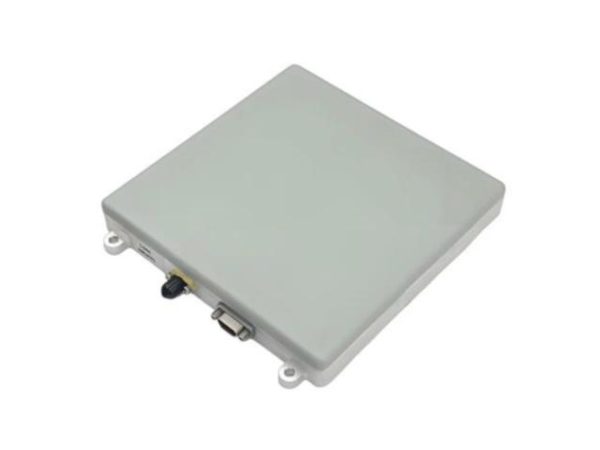
BNTLD4A RF Anti Jamming Module: Dual-Band 4-Element 110dB
BNTLD4A RF anti jamming module offers 110dB single & 95dB triple-jammer rejection on L1/B1/E1 and B3 bands. X20P receiver, RS422+UART, 18W, 170×150×20mm.
Typical Deployment Scenarios:
1. Military & Government Platforms
2. Critical Infrastructure
3. Marine Navigation
4. High‑Precision Surveying
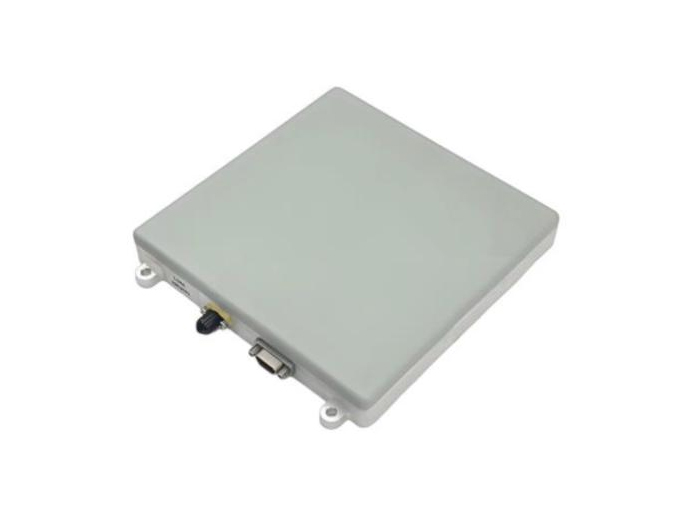
Technical Specifications
| Parameter | Value |
| RX Bands | GPS‑L1, BDS‑B1, GAL‑E1, BDS‑B3 |
| Anti‑Jam Channel 1 | L1, B1, E1 |
| Anti‑Jam Channel 2 | B3 |
| Max Jammers per Channel | 3 (different directions) |
| Single‑Jammer Suppression | ≥110 dB |
| Triple‑Jammer Suppression | ≥95 dB |
| Integrated Receiver | Ublox X20P |
| Data Interfaces | RS422 + UART (LVTTL 3.3V) |
| Output Protocol | NMEA0183 |
| Operating Voltage | 9‑36 Vdc |
| Power Consumption | 18 W (nominal) |
| Weight | 670 g |
| Dimensions | 170×150×20±0.5 mm |
| Temp Range | -40℃ to +70℃ |
| PPS Output | LVTTL 3.3V (Pin 15) |
| Mounting Holes | 4×Φ4.2mm, pitch 160×120mm |
Product Details
Professional Dual-Band RF Anti Jamming Module for Critical Operations
The BNTLD4A RF anti jamming module is a high-performance navigation terminal engineered for missions that demand uninterrupted GNSS positioning across two independent frequency bands. Covering GPS‑L1, BDS‑B1, GAL‑E1 for standard navigation, plus BDS‑B3 for secure applications, this unit delivers comprehensive protection against intentional radio interference. Its 4‑element antenna array and dual‑band processing architecture make the RF anti jamming module a reliable choice for defence, infrastructure, and precision navigation systems.
Two-Channel Anti-Jamming Architecture
Unlike conventional single‑band solutions, this RF anti jamming module operates with two separate anti‑jam channels. Channel 1 handles L1, B1, and E1 frequencies, while Channel 2 is dedicated to B3. Each channel independently suppresses up to three jammers arriving from different spatial directions. The module achieves single‑interference rejection of ≥110dB and triple‑interference suppression of ≥95dB per band. This two‑channel design ensures that if one frequency band is compromised, the other remains fully functional—providing redundancy that single‑band units simply cannot offer.
Four-Element Array and Interference Mitigation
The integrated 4‑element antenna array enables spatial filtering, allowing the RF anti jamming module to distinguish between legitimate satellite signals and incoming jamming. By nulling interference directions while preserving satellite visibility, the unit maintains accurate positioning even under sustained attack. It effectively counters broadband noise, narrowband tones, pulsed spikes, swept‑frequency chirps, and any combination of these typical jamming patterns—making it versatile against both simple and complex threats.
High-Performance X20P Receiver and Dual Interfaces
At the core of this RF anti jamming module lies the Ublox X20P receiver, a high‑sensitivity chipset known for rapid acquisition and stable tracking under challenging signal conditions. Data output supports both RS422 (default 115200 baud) for long‑distance communication and UART at LVTTL 3.3V levels for direct embedded integration. Both interfaces output standard NMEA0183 protocol, simplifying connection to flight controllers, ground stations, or telemetry systems. A dedicated 1PPS pin (LVTTL 3.3V) provides precise timing synchronisation for external equipment.
Mechanical Design and Environmental Resilience
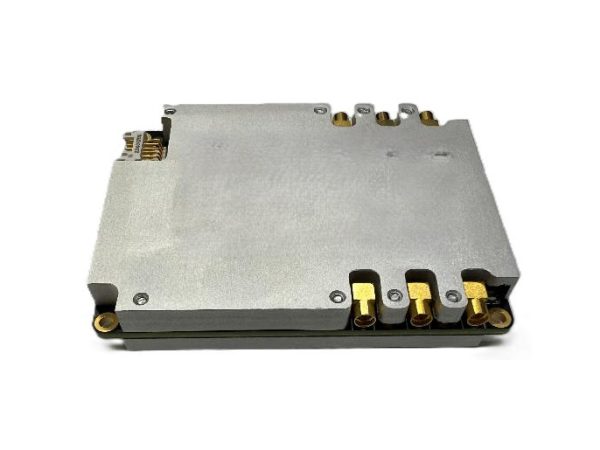
The BNTLD4A RF anti jamming module accepts a wide 9‑36Vdc input and consumes 18W nominal power. Weighing 670g, it features a low‑profile enclosure measuring 170×150×20±0.5mm—suitable for ground vehicles, fixed installations, marine platforms, and airborne pods. The operating temperature range spans -40°C to 70°C, ensuring reliable performance in extreme climates. Four Φ4.2mm mounting holes on a 160×120mm grid enable straightforward mechanical integration with minimal structural modification.
Typical Deployment Scenarios
-
Military & Government Platforms – Dual‑band B3/L1 support protects encrypted BeiDou signals while defending against jamming attacks.
-
Critical Infrastructure – Safeguards GNSS timing for power grids, telecom networks, and data centres from accidental or malicious RF interference.
-
Marine Navigation – Provides dependable positioning for vessels operating near radar installations or congested harbours.
-
High‑Precision Surveying – Maintains centimetre‑level accuracy in urban canyons or near broadcast transmitters.
Frequently Asked Questions
Case Studies
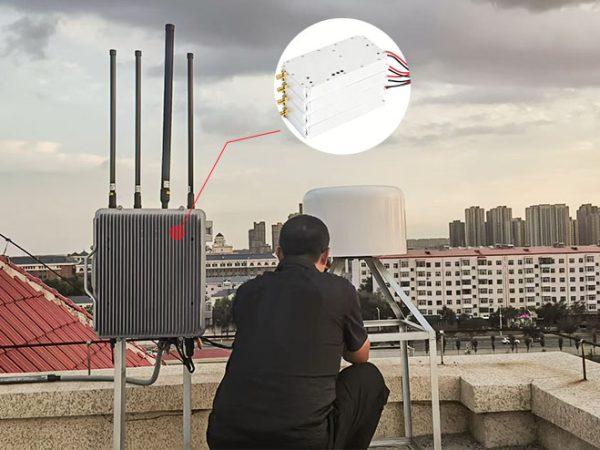
Heilongjiang Weather Center Completes Anti-Drone System Upgrade with Three High-Power Drone Jammer Modules

Tangshan Chem Plant Sealed Drone Gaps With 3 GaN Wideband Modules

How a National Prison Integrated Our Drone Jamming Module Into Their Fixed Counter-Drone System

Integrating Core RF Power: OEM Drone Jamming Module for Oil Refinery Security | Case Study
Send Us a Message
Related Products
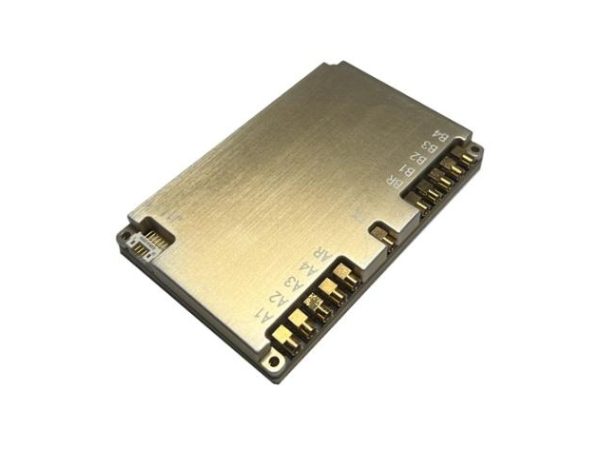
BNTHAB RF Anti Jamming Module: 8-Channel Signal Shield
BNTAJB GNSS Anti Jamming Module – Robust 4-Channel
BNTDFM UAV Anti Jamming System – Robust 110dB Dual-Band