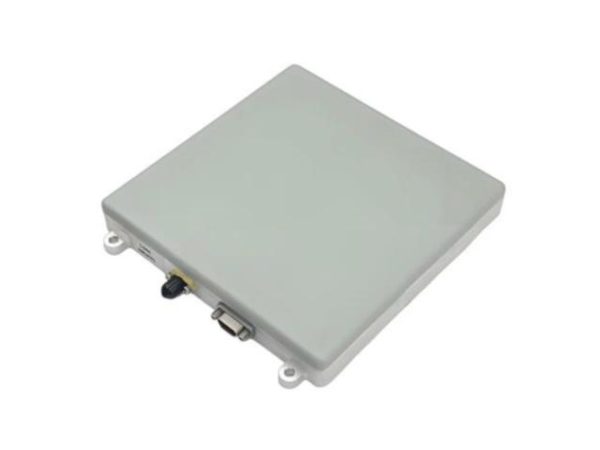
BNTGIM4A Anti-Jamming Module: 110dB Robust GNSS Signal Guard
BNTGIM4A Anti-Jamming Module offers 110dB single & 95dB triple-interference rejection. M9N receiver, RS422, 9-36Vdc, -40℃~70℃ for L1/B1/G1/E1 bands.
Key Applications
1. UAVs & Drones – Maintains stable GNSS positioning in urban or RF‑crowded airspace, even with multiple jammers active, ensuring safe autonomous flight.
2. Military Vehicles & Tactical Systems – Protects against intentional GPS/GLONASS jamming in electronic warfare, delivering uninterrupted navigation for ground and airborne platforms.
3. Marine & Offshore Navigation – Counters interference from shipboard radar and satellite comms, providing reliable heading and timing for dynamic positioning at sea.
4. Critical Infrastructure (Power/Telecom) – Guards 1PPS synchronisation signals against accidental or malicious jamming, preserving grid stability and network timing accuracy.
Technical Specifications
| Parameter | Specification |
| Bands (RX & Anti-Jam) | L1, B1, G1, E1 |
| Max Jamming Sources | 3 (different directions) |
| Single Jammer Suppression | ≥110 dB |
| Triple Jammer Suppression | ≥95 dB |
| Built-in Receiver | M9N (customizable) |
| Data Interface | RS422 (default 115200 bps) |
| Output Protocols | NMEA0183, UBLOX |
| Operating Voltage | 9~36 Vdc |
| Power Consumption | 12 W (nominal) |
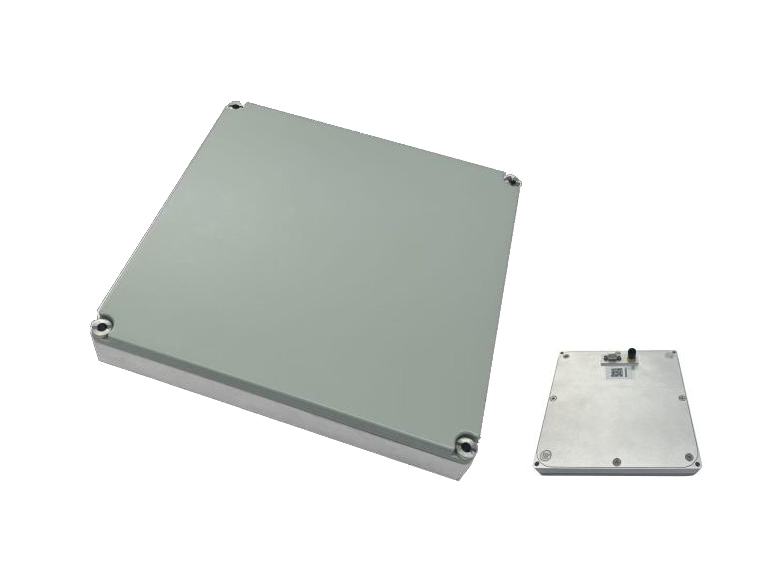
| Weight / Dimensions | 430 g / 132×132×20±0.5 mm |
| Operating Temperature | -40℃ to +70℃ |
| PPS Output | LVTTL 3.3V (Pin 9) |
Product Details
Introduction to the BNTGIM4A Anti-Jamming Module
The BNTGIM4A Anti-Jamming Module is a compact, high-performance device engineered to protect GNSS positioning from intentional and unintentional radio interference. Operating across four critical frequency bands—L1, B1, G1, and E1—this unit ensures continuous, reliable navigation data for GPS, BeiDou, GLONASS, and Galileo systems. Its robust design makes it an ideal choice for unmanned vehicles, airborne platforms, and ground-based mobile stations operating in contested electromagnetic environments.
Superior Protection with the BNTGIM4A Anti-Jamming Module
This Anti-Jamming Module integrates an advanced spatial filtering engine that actively suppresses up to three jamming signals arriving from distinct directions simultaneously. With a single interference rejection capability exceeding 110dB and a three-interference rejection level of ≥95dB, the BNTGIM4A maintains lock even under heavy assault. The module effectively mitigates broadband noise, narrowband tones, pulsed spikes, swept-frequency chirps, and any combination of these typical jamming patterns.
Integrated M9N Receiver and Data Output
At the core of this Anti-Jamming Module lies the highly capable M9N GNSS receiver, which provides fast acquisition and accurate positioning. The receiver processes signals from all four constellations, ensuring redundancy and improved dilution of precision (DOP). Data output is handled via an RS422 interface with a default baud rate of 115200, supporting both NMEA0183 and UBX (UBLOX) protocols. The module also outputs a 1PPS signal (LVTTL 3.3V) on pin 9, offering a precise timing reference for synchronized system architectures.
Power, Mechanical, and Environmental Specifications
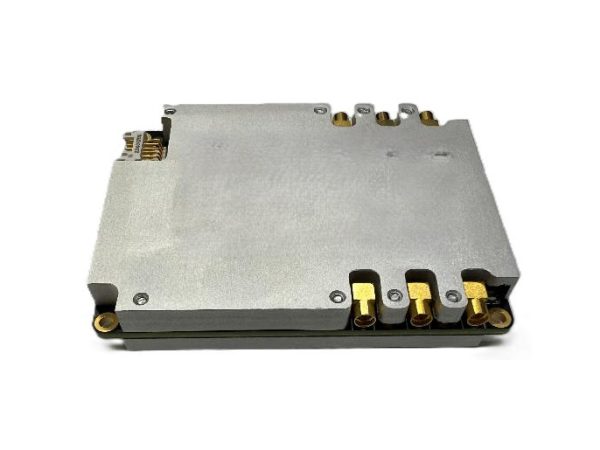
The BNTGIM4A Anti-Jamming Module accepts a wide DC input range from 9 to 36 volts, making it compatible with standard vehicle and battery supplies. Typical power consumption is rated at 12W, balancing performance with thermal efficiency. The unit weighs just 430 grams and features a low-profile enclosure measuring 132×132×20±0.5 mm. Four Φ3.2mm mounting holes on a 125×125mm grid simplify integration. It operates reliably across extreme temperatures from -40℃ to 70℃, suitable for harsh outdoor and industrial settings.
Deployment and Integration Flexibility
Designed for rapid deployment, the Anti-Jamming Module uses the standard J30J-9ZKP connector for all power and I/O lines. Pins 1 and 2 carry the main DC supply, while pins 3 and 4 handle ground. The RS422 differential pairs (pins 5-8) ensure robust long-distance communication, minimizing bit errors in noisy electrical environments. This thoughtful pinout allows engineers to replace legacy receivers with the BNTGIM4A without major wiring overhauls. For high-precision applications, external reference oscillators can be integrated to further improve jitter performance.
Real‑World Applications of the BNTGIM4A Anti‑Jamming Module
-
Unmanned Aerial Vehicles (UAVs)
Drones operating in urban canyons or near communication towers often face multipath and intentional jamming. The module ensures continuous GPS/BeiDou/GLONASS/Galileo positioning for stable flight control and safe return‑to‑home, even when three jammers are active nearby. -
Military and Tactical Ground Vehicles
Armored personnel carriers and reconnaissance vehicles rely on precise navigation in electronic warfare environments. The 110dB single‑jammer rejection protects against enemy GPS spoofing and barrage noise, maintaining mission‑critical location data under fire. -
Marine Navigation and Offshore Platforms
Ships and oil rigs use GNSS for dynamic positioning and collision avoidance. The BNTGIM4A counters interference from onboard radar, satellite communications, and other vessels, delivering reliable heading and timing information in harsh sea conditions (‑40°C to 70°C). -
Critical Infrastructure Timing (Power Grids & Telecom)
Substations and base stations require nanosecond‑accurate 1PPS signals for synchronisation. This module guards against accidental or malicious jamming that could disrupt phase measurements or network handovers, ensuring grid stability and uninterrupted mobile services. -
Autonomous Agricultural Machinery
Tractors and harvesters using RTK‑GNSS for precision farming can lose signal near high‑voltage lines or radio repeaters. The integrated M9N receiver with anti‑jamming keeps sub‑metre accuracy, reducing crop overlap and fuel waste even in electromagnetically noisy rural areas. -
Surveying and Geodesy in Urban Environments
Land surveyors working near broadcast antennas or Wi‑Fi hotspots face intermittent signal dropouts. The compact, low‑weight module fits onto rover poles and provides consistent fix quality, speeding up data collection without post‑processing delays.
Frequently Asked Questions
Case Studies
Heilongjiang Weather Center Completes Anti-Drone System Upgrade with Three High-Power Drone Jammer Modules

Tangshan Chem Plant Sealed Drone Gaps With 3 GaN Wideband Modules

How a National Prison Integrated Our Drone Jamming Module Into Their Fixed Counter-Drone System

Integrating Core RF Power: OEM Drone Jamming Module for Oil Refinery Security | Case Study
Send Us a Message
Related Products
BNTHAB RF Anti Jamming Module: 8-Channel Signal Shield
BNTAJB GNSS Anti Jamming Module – Robust 4-Channel
BNTDFM UAV Anti Jamming System – Robust 110dB Dual-Band