3400–3600 MHz 50W Drone Countermeasure Module
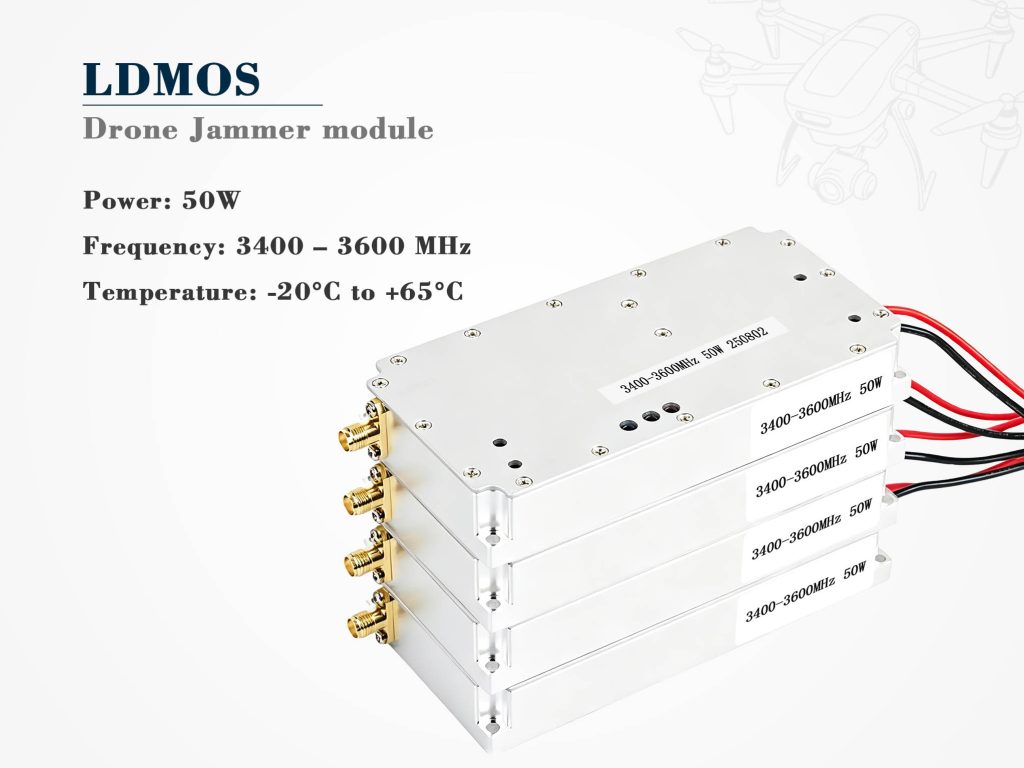
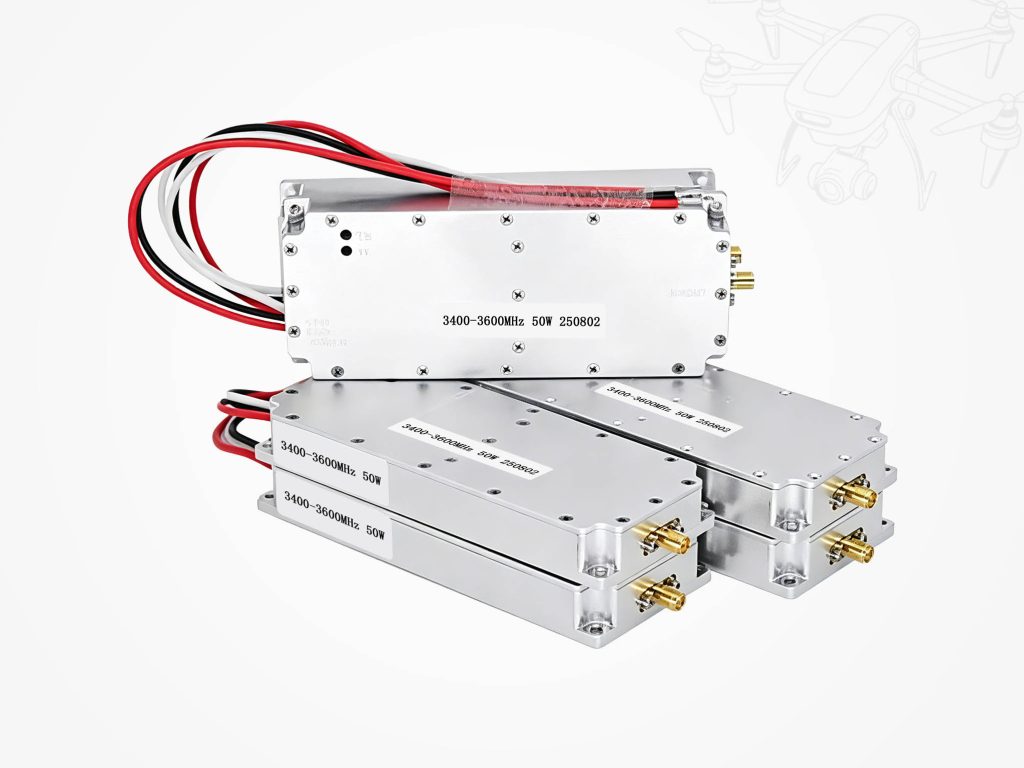
3400–3600 MHz 50W anti-drone LORA/LDMOS module, 28V, 47±1 dBm, 270 kHz scan, SMA female, -20~+65°C. Custom options.
Technical Specifications
| Parameter | Specification | Notes |
| Frequency range | 3400–3600 MHz | Lora/LDMOS modules support customization |
| Output power | 47±1 dBm | 50W |
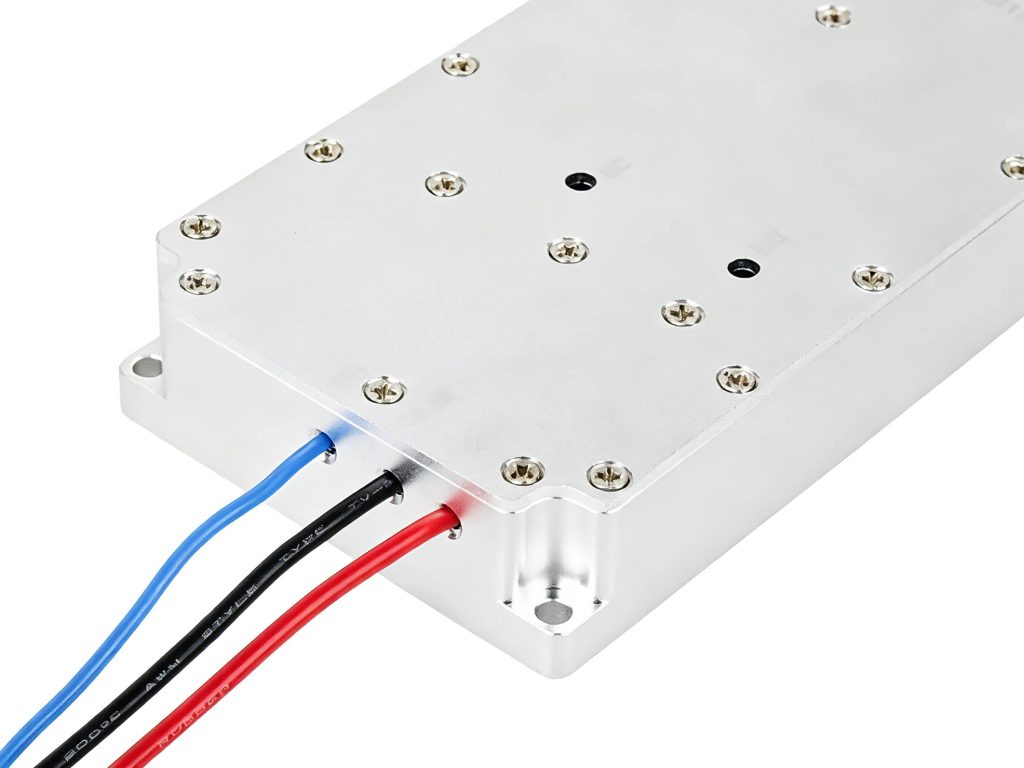
| Supply voltage | 28V | 24–28V |
| Current draw | ≤3.2–4.5A | At 50W output |
| Modulation source | Built-in high-speed noise modulation source | Custom VCO, DDS, SDR available |
| Analog scan speed | 270 kHz | Custom 100–500 kHz |
| Input / output impedance | 50 Ohm | Typical |
| Protection LEDs | Power switch, over-voltage, over-temperature | Status LEDs |
| Operating temperature | -20~+65°C | Normal operation |
| Dimensions (L×W×H) | 117×58×18 mm | Custom sizes available |
| Weight | 300 g | Approx. |
| Base material | Aluminum alloy | Custom options available |
Product Details
If you work with counter-UAV systems, you already know the 3.4–3.6 GHz band is crowded. It sits close to many LORA links, video downlinks, and industrial RF tools. Our 3400–3600 MHz 50W drone countermeasure module is made for that space. It is a 50W RF shielding module that can be used in drone countermeasure builds, test benches, and fixed installations. The unit is compact, but it is not a toy. It needs proper power, cooling, and antenna matching to do its job well.
Built for the 3.4–3.6 GHz Band
The module covers 3400–3600 MHz. LORA and LDMOS versions are available, and the band can be customized for nearby frequencies. That matters when you need to match a local allocation or avoid a sensitive range. The SMA female connector keeps integration simple. If your enclosure uses a different layout, we can adjust the mechanical design.
50W Output, Real-World Stability
Output power is 47±1 dBm, roughly 50W. It runs from 28V, with a working range of 24–28V. Current draw is ≤3.2–4.5A at full output. Those numbers depend on load, antenna VSWR, and cooling. A clean 50-ohm path and a good heatsink will keep the module stable. Do not expect a small enclosed box to handle 50W for long without airflow.
Flexible Signal Sources
The standard build includes a high-speed noise modulation source. This gives you a wide, noisy signal without an external generator. For more control, you can order VCO, DDS, or SDR input options. Analog scan speed is 270 kHz, and custom speeds from 100–500 kHz are possible. If you need a specific waveform, sweep pattern, or trigger method, tell us before production. It is easier to tune the module for your use case than to fix it later.
Protection and Thermal Behavior
The 50W drone countermeasure module works from -20 to +65°C. LEDs show power, over-voltage, and over-temperature status. These are not cosmetic. At 50W, heat is the main limit. Mount the module to a metal chassis or heatsink. Use thermal paste. Keep cables short and rated for the power. If the over-temperature LED turns on, reduce duty cycle or improve airflow. In many field builds, a fan and a solid ground plane make the difference between short tests and all-day operation.
Size and Integration
Dimensions are 117×58×18 mm, and weight is about 300 g. The base material is aluminum alloy, which helps spread heat. Custom sizes are available for OEM projects. The small footprint fits into portable jammers, vehicle mounts, and fixed counter-UAV stations. Still, leave room for cooling and cable routing. A tight enclosure can trap heat and cause early power fold-back.
Customization Without the Headache
Frequency range, scan speed, signal source, connector layout, and dimensions can be customized. LORA/LDMOS support is available. If you are building a product line, send your target specs, duty cycle, and antenna details. We can suggest a configuration that matches your power budget and thermal limits. For one-off tests, the standard 3400–3600 MHz, 50W version is usually the fastest path.
Who It’s For
This 50W drone countermeasure module suits counter-drone developers, RF labs, security integrators, and OEMs. It is not a plug-and-play consumer device. It is a building block. Use it with proper filters, antennas, and legal review. RF rules vary by country, so confirm that your final system complies with local regulations.
Need a custom band or a different output level? Send your requirements. We will reply with a practical configuration, lead time, and integration notes.
Frequently Asked Questions
Case Studies
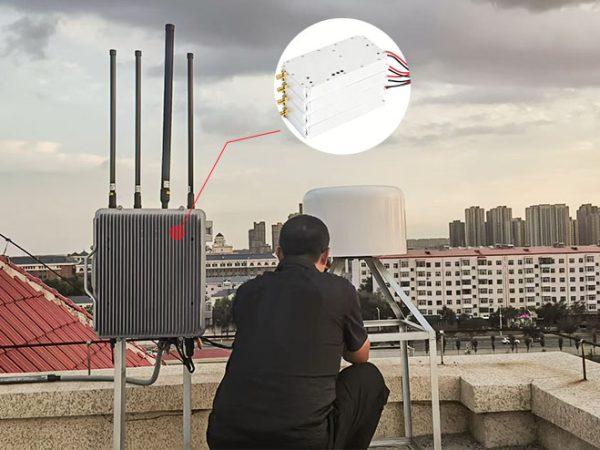
Heilongjiang Weather Center Completes Anti-Drone System Upgrade with Three High-Power Drone Jammer Modules
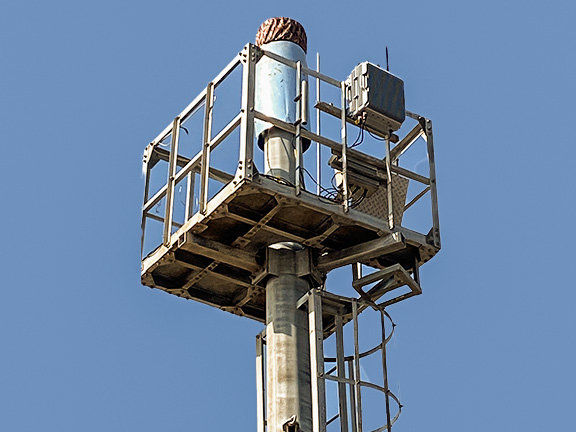
Tangshan Chem Plant Sealed Drone Gaps With 3 GaN Wideband Modules
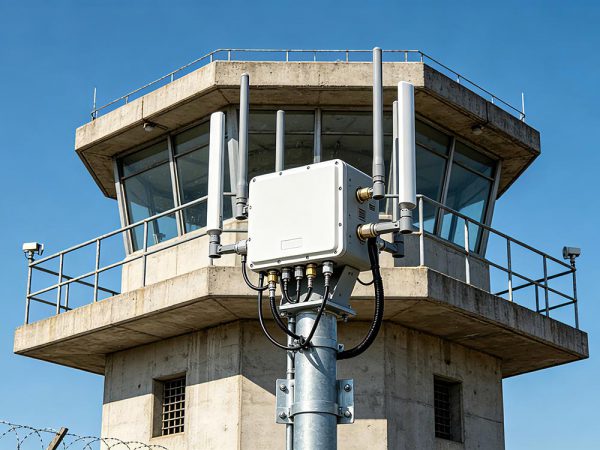
How a National Prison Integrated Our Drone Jamming Module Into Their Fixed Counter-Drone System
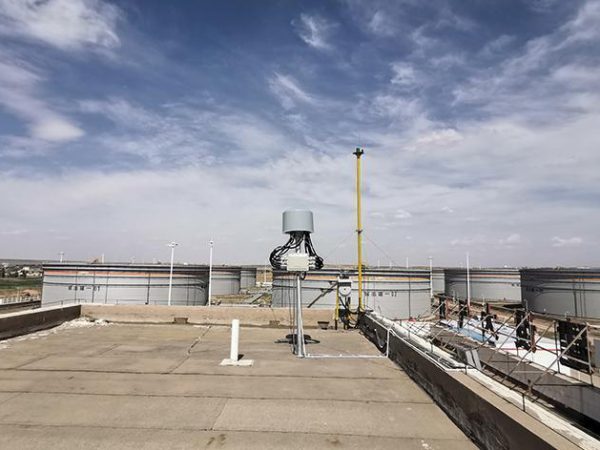
Integrating Core RF Power: OEM Drone Jamming Module for Oil Refinery Security | Case Study
Send Us a Message
Related Products
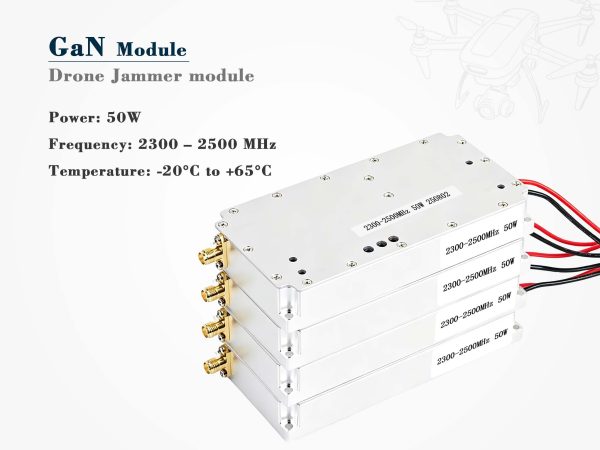
2300–2500MHz 50W GaN Module for Drone Countermeasure and Signal Shielding
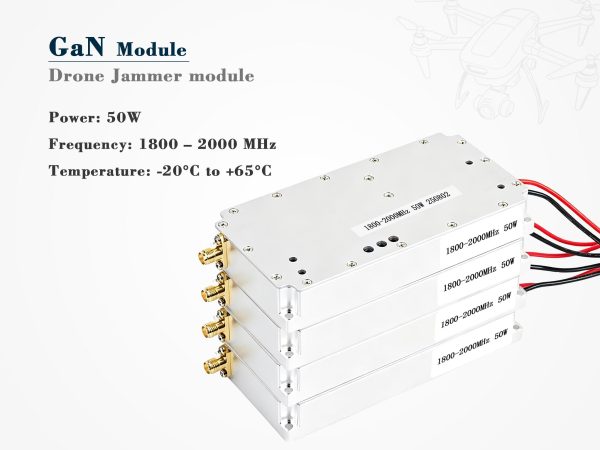
Powerful 50W GaN Jammer Module 1800-2000MHz
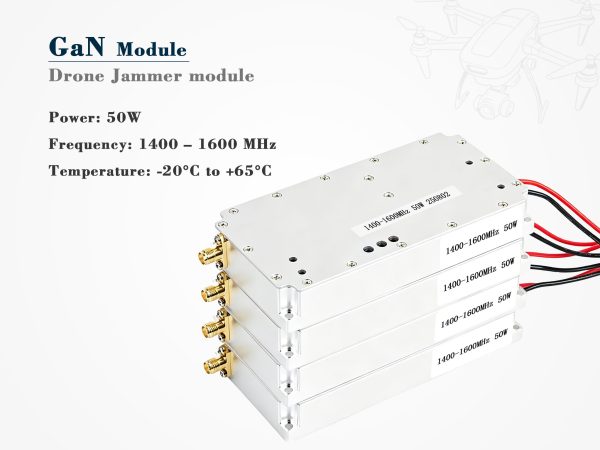
50W Anti-Drone Jamming Module: Elite 1400-1600MHz Blocker