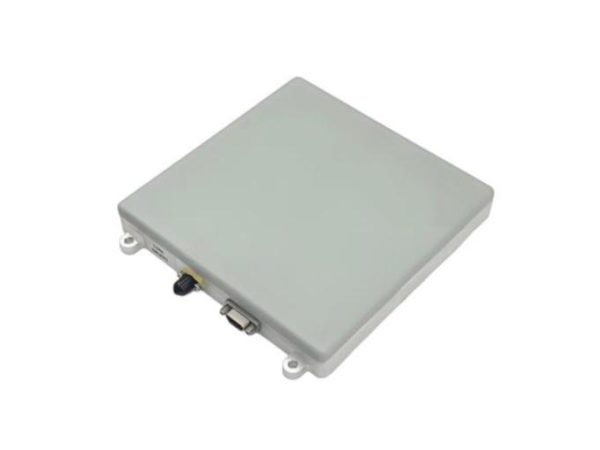
BNTDFM UAV Anti Jamming System – Robust 110dB Dual-Band
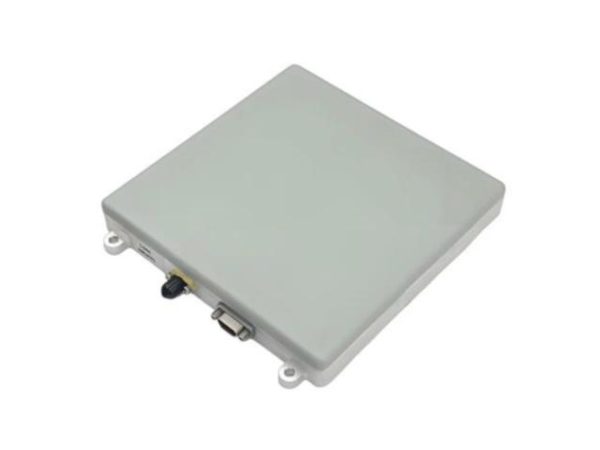
BNTDFM UAV anti jamming system offers dual-channel defense on L1/B1 and B3 bands with 110dB single, 95dB triple jammer rejection. UM980 receiver, RS422, 12-36Vdc, 20W, Φ190mm, 1050g.
Typical Deployment Scenarios:
1. Military & Tactical UAVs
2. Commercial Drone Operations
3. Critical Infrastructure Monitoring
4. Search & Rescue Missions
Technical Specifications
| Parameter | Value |
| Pass-Through RX Bands | L1/L2/L5, B1/B2/B3, E1/E5/E6, G1/G2 |
| Anti-Jam Channel 1 | GPS‑L1, BDS‑B1 |
| Anti-Jam Channel 2 | BDS‑B3 |
| Max Jammers per Channel | 3 (different directions) |
| Single-Jammer Suppression | ≥110 dB |
| Triple-Jammer Suppression | ≥95 dB |
| Integrated Receiver | UM980 (Nebulas IV™) |
| Data Interface | RS422, 115 200 bps, NMEA0183 |
| Operating Voltage | 12–36 Vdc |
| Power Consumption | 20 W (nominal) |
| Weight | 1 050 g |
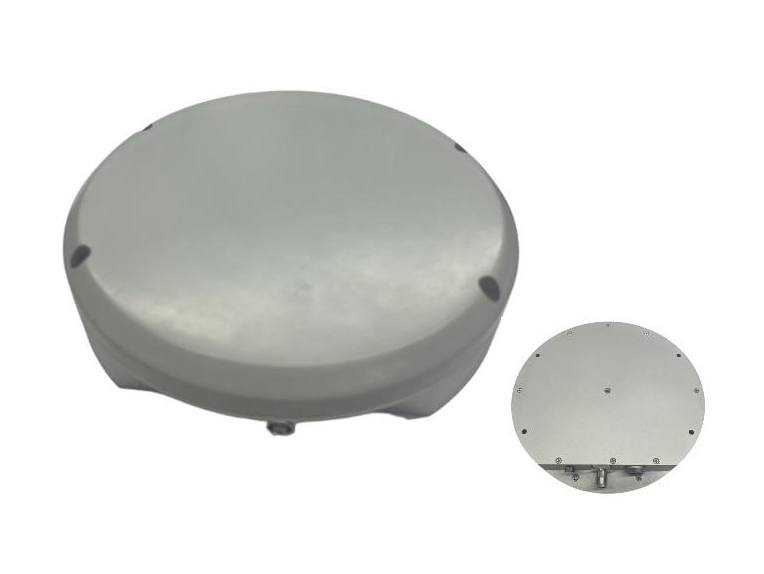
| Dimensions | Φ190 mm × 43 mm |
| Temperature Range | -40 °C to +70 °C |
| PPS Output | LVTTL 3.3 V (Pin 14) |
| Mounting | 4×Φ4.2 mm, pitch 160 × 120 mm |
Product Details
The BNTDFM UAV anti jamming system is a hardened navigation terminal that keeps drones on course when GNSS signals come under attack. Instead of relying on a single frequency, it runs two independent anti-jam channels in parallel, protecting L1/B1 and B3 bands simultaneously. With single-jammer rejection exceeding 110 dB and triple-jammer suppression at 95 dB or better, the unit creates a dependable positioning bubble around the airframe—even in dense electronic warfare or urban RF noise.
How the Dual-Band UAV Anti Jamming System Blocks Interference
Civilian and military drones often lean on L1 and B1 signals for everyday navigation. Channel 1 of this UAV anti jamming system focuses precisely on those frequencies, applying spatial filtering through a 4-element array to cancel up to three jammers arriving from different directions. Meanwhile, Channel 2 is reserved for BDS‑B3, adding a secure BeiDou layer that many single-band solutions omit. If one channel experiences heavy disruption, the other continues delivering usable position data. The broad pass‑through capability also covers L2/L5, E1/E5/E6, and G1/G2, so the platform never loses access to GPS, Galileo, or GLONASS when anti-jam processing is active. For context on how easily L1 can be jammed, refer to the guidance published by GPS.gov.
UM980 Receiver and Pass-Through Flexibility
At the heart of the UAV anti jamming system sits a UM980 module powered by the Nebulas IV™ chipset. With 1,408 channels, it tracks every major civilian and military GNSS signal, including B1I, B2I, B3I, B1C, B2a, and B2b. RTK accuracy reaches 0.8 cm + 1 ppm horizontally and 1.5 cm + 1 ppm vertically, which is critical for precision mapping or automated landing. When interference is absent, operators can manually trigger pass‑through mode. This bypasses the anti-jam processor, trims latency, and pulls power consumption below the 20 W nominal level—an advantage during routine survey flights.
UAV Anti Jamming System Build for Extreme Conditions
Weighing 1,050 g and housed in a Φ190 mm × 43 mm circular enclosure, this UAV anti jamming system integrates cleanly onto mid-size multirotors and fixed-wing airframes. Power arrives through either the TNC antenna port or the EGG.1K.314.CLL interface, accepting a wide 12–36 Vdc input. The sealed design operates reliably from -40 °C to +70 °C, surviving rapid temperature swings at altitude. Four Φ4.2 mm mounting holes on a 160 × 120 mm pitch simplify bolt-on installation. Inside, the unit counters broadband noise, pulsed spikes, swept‑frequency chirps, and complex combinations of jamming patterns without user intervention. For wiring details, check our <a href=”/drone-integration-hub”>drone integration hub</a>.
Where the UAV Anti Jamming System Delivers Maximum Value
Tactical ISR missions benefit immediately when this UAV anti jamming system defeats ground-based or airborne jammers that would otherwise force a mission abort. Commercial BVLOS operators flying near cell towers or radar installations maintain continuous C2 and navigation links, reducing the risk of fly-aways. Critical infrastructure patrols along pipelines, borders, and power lines stay locked onto accurate coordinates even in electrically noisy corridors. Search‑and‑rescue teams gain confidence that their drone will keep reporting its position above disaster zones littered with emergency transmitters. In every case, the dual-channel architecture provides insurance that a single-band setup cannot offer.
Frequently Asked Questions
Case Studies
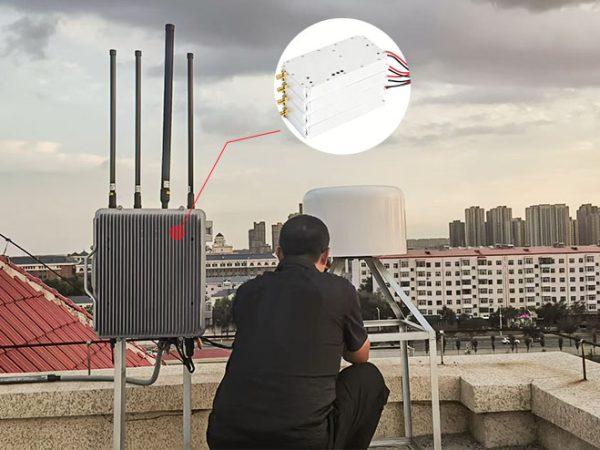
Heilongjiang Weather Center Completes Anti-Drone System Upgrade with Three High-Power Drone Jammer Modules
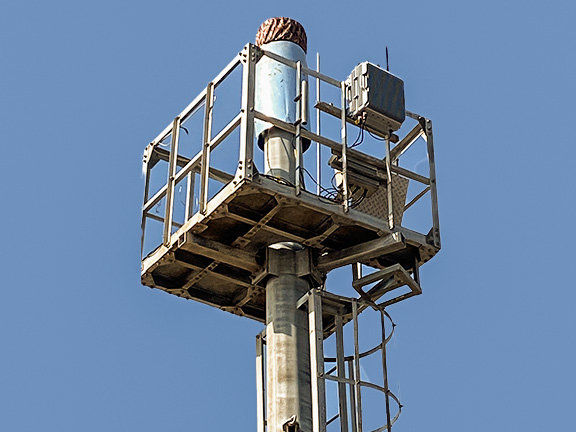
Tangshan Chem Plant Sealed Drone Gaps With 3 GaN Wideband Modules
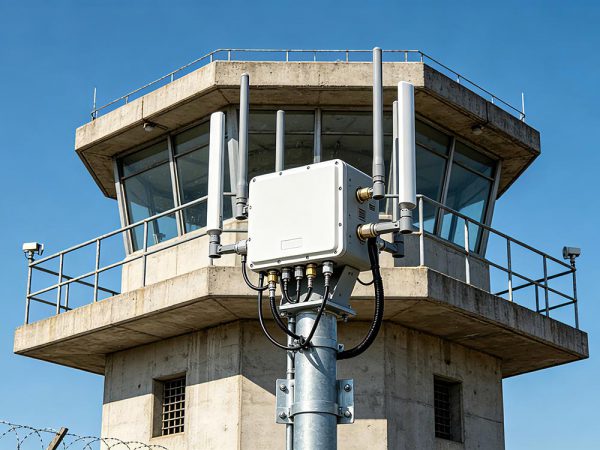
How a National Prison Integrated Our Drone Jamming Module Into Their Fixed Counter-Drone System
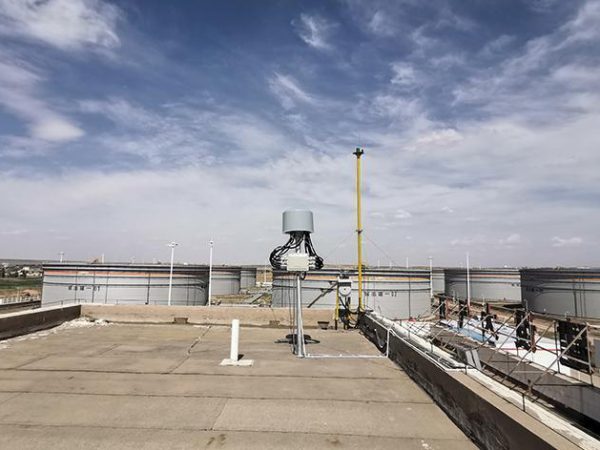
Integrating Core RF Power: OEM Drone Jamming Module for Oil Refinery Security | Case Study
Send Us a Message
Related Products
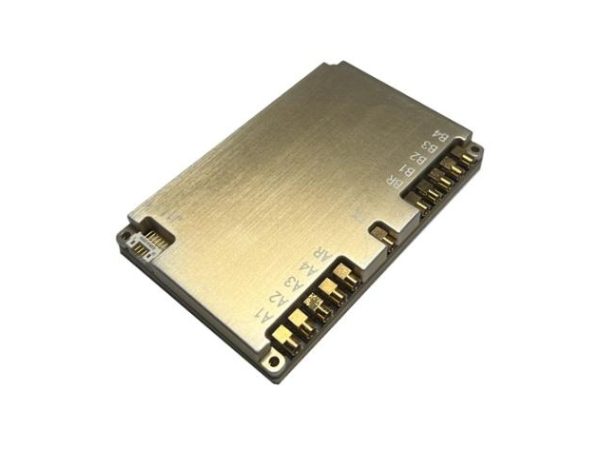
BNTHAB RF Anti Jamming Module: 8-Channel Signal Shield
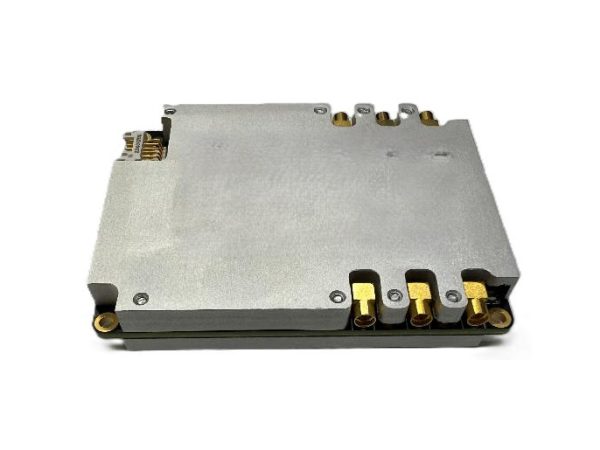
BNTAJB GNSS Anti Jamming Module – Robust 4-Channel
BNTLS8 Signal Anti Jamming Module: 7-Jammer 110dB Supreme Guard