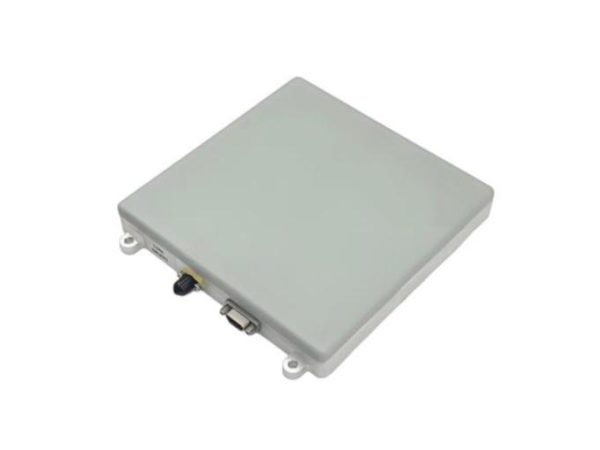
BNTHAB RF Anti Jamming Module: 8-Channel Signal Shield
The BNTHAB RF anti jamming module delivers 8-channel GNSS protection (GPS, BDS, GLONASS, Galileo). Suppresses up to 7 jammers, 96g, 90×60×11mm, 9-36V DC input.
Real-World Use Cases:
1. Drone swarms: At only 96 g, it fits Group 2–3 UAVs and counters ground-based denial jamming to prevent forced return-to-home.
2. Marine navigation: Seven-null mode keeps GPS/GLONASS locks stable in busy ports for worry-free docking.
3. Timing infrastructure: Clean, stable output prevents 5G base stations and power grid nodes from drifting into holdover.
4. Armored vehicles: Ruggedized to handle -40°C to +70°C and conducted emissions with no performance roll-off.
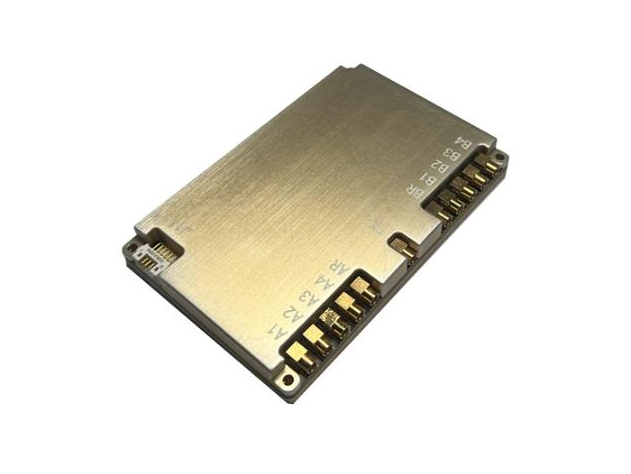
Technical Specifications
| Parameter | Specification | |||
| Channels | 8 input, 1 output | |||
| Input signal max | +10 dBm | |||
| Output level range | -70 to -40 dBm | |||
| Supported constellations | BDS-B1/B3 | GPS-L1/L2 | GLONASS-L1 | Galileo-E1 |
| Jammers suppressed | 3 (standard) or 7 (extended) | |||
| Rejection | ≥110 dB (single) | ≥95 dB (three) | ||
| Data interfaces | RS422 | UART (LVTTL) | ||
| Supply voltage | 9–36 V DC | |||
| Power consumption | 16 W (steady state) | |||
| Dimensions | 90×60×11 mm (±0.5 mm) | |||
| Weight | 96 g | |||
| Operating temperature | -40°C to +70°C |
Product Details
Why Interference Can’t Be Ignored
Every receiver lives or dies by its signal-to-noise ratio. Cheap jammers now flood online marketplaces, and deliberate spoofing attacks are growing more common by the quarter. For any platform that relies on continuous PNT data, a single dropout can cascade into position errors, timing faults, or complete link loss. The BNTHAB RF anti jamming module addresses this problem head-on with a multi-channel architecture that actively cleans the spectrum before it reaches your receiver.
How the BNTHAB RF Anti Jamming Module Works
Instead of blanking the entire band, the module uses eight independent RF front-end channels to sample the environment continuously. An onboard processing engine then weights and combines those channels in real time to place deep nulls in the direction of interferers. Because the algorithm runs at the sample level, it reacts fast enough to track moving jammers—whether a vehicle with a portable jammer or a swept signal that hops across the band.
Multi-Constellation, Multi-Channel Protection
Most add-on filters lock you into one or two frequencies. This system actively preserves BDS-B1/B3, GPS-L1/L2, GLONASS-L1, and Galileo-E1 simultaneously. That makes it a truly global solution—you can deploy the same hardware from Asia to Europe without firmware changes. Internal AGC keeps the output level stable even when the input swings wildly, so your downstream receiver never sees a saturation event.
Configurable suppression depth
Users can select between standard mode (up to 3 simultaneous jammers) and extended mode (up to 7 independent directions). Single-interferer rejection exceeds 110 dB, and performance against three strong jammers stays above 95 dB. This flexibility lets integrators match the processing load to the threat environment rather than paying for capability they don’t need. See how these figures compare with industry benchmarks for GNSS anti-jam systems.
Compact and Platform-Ready
Weight often kills a product’s viability on small UAVs or portable systems. At 96 grams and 90×60×11 mm, the BNTHAB RF anti jamming module disappears into existing avionics bays. The wide 9–36 V DC input range means you can draw power directly from vehicle buses, ship supplies, or standard battery packs without an intermediate converter.
Integration Made Simple
A single JL126-2-12ZJW connector carries power, data, and control. Both RS422 differential and UART (LVTTL) interfaces are active at the same time—use RS422 for long cable runs to a flight controller and UART for local debugging. Two GPIO pins let you read jammer activity flags or trigger external alerts with zero added latency. Pin mapping follows the table below.
Real-World Use Cases
-
Drone swarms: Light enough to ride on Group 2–3 UAVs, the module counters ground-based denial systems trying to force a return-to-home.
-
Marine navigation: Busy ports are full of unintentional emitters. The seven-null mode keeps GLONASS and GPS locks stable during docking maneuvers.
-
Timing infrastructure: 5G base stations and power grid nodes rely on clean GNSS for phase synchronization. The steady output level prevents holdover drift.
-
Armored vehicles: Hardened against conducted emissions and temperature extremes, the module operates from -40°C to +70°C without performance roll-off.
Frequently Asked Questions
Case Studies
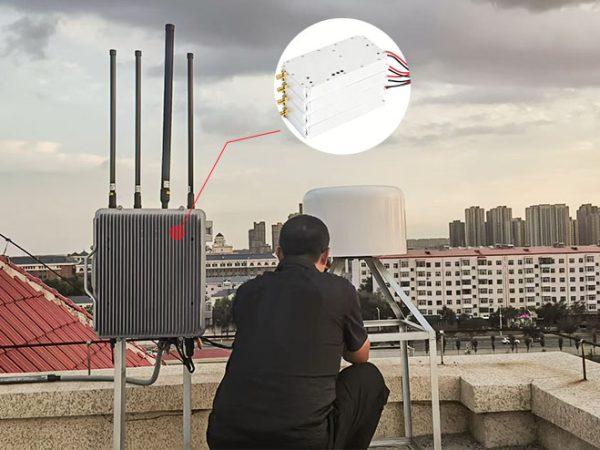
Heilongjiang Weather Center Completes Anti-Drone System Upgrade with Three High-Power Drone Jammer Modules
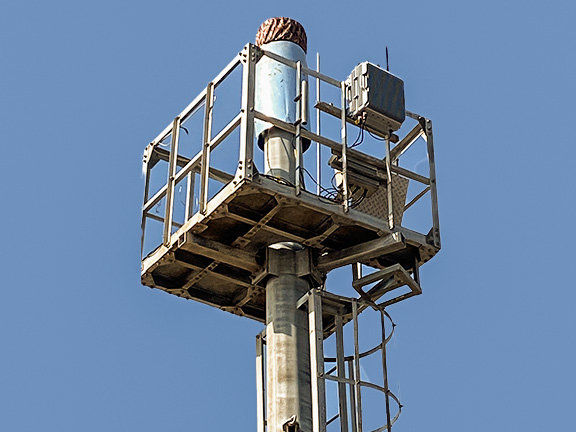
Tangshan Chem Plant Sealed Drone Gaps With 3 GaN Wideband Modules
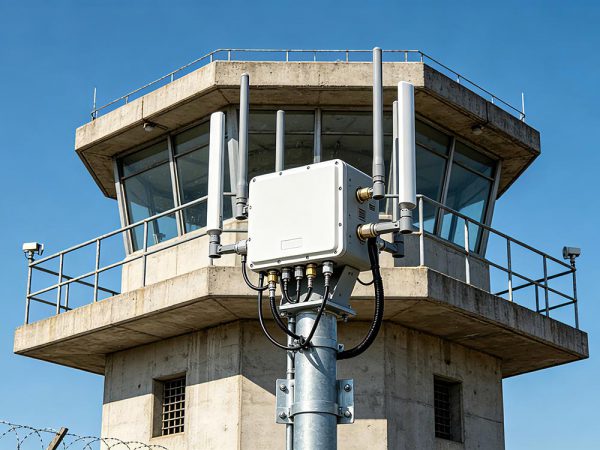
How a National Prison Integrated Our Drone Jamming Module Into Their Fixed Counter-Drone System

Integrating Core RF Power: OEM Drone Jamming Module for Oil Refinery Security | Case Study
Send Us a Message
Related Products
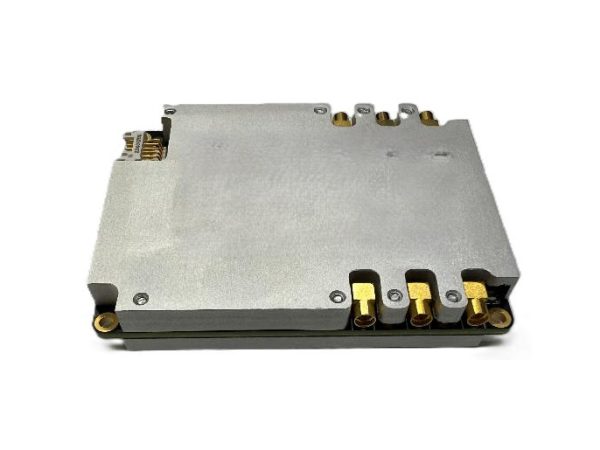
BNTAJB GNSS Anti Jamming Module – Robust 4-Channel
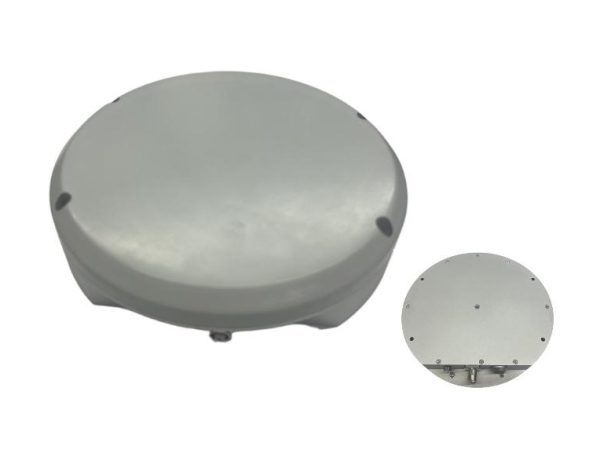
BNTDFM UAV Anti Jamming System – Robust 110dB Dual-Band
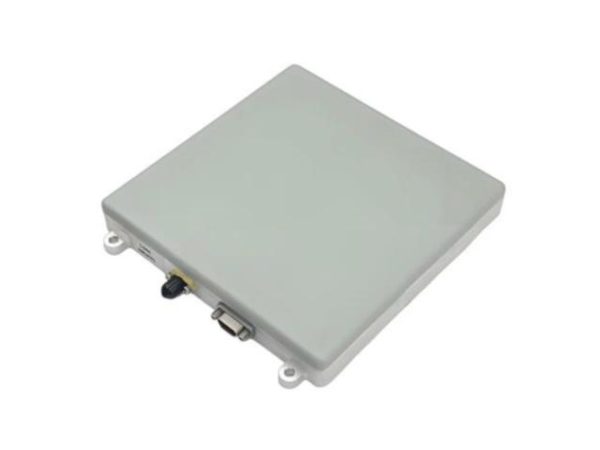
BNTLS8 Signal Anti Jamming Module: 7-Jammer 110dB Supreme Guard